Carpenter ants are among the most common and destructive pests found in homes and commercial properties. If you have noticed large black ants crawling along your walls, windows, or wooden structures, you can be dealing with a carpenter ant infestation. However, you must understand what is a carpenter ant?, how it behaves, and how to control it to protect your property from long-term damage. You must also know about carpenter ants, including their identification, signs of infestation, potential damage, and the best control options. We will also help you understand when to search for carpenter ants pest control near me to get professional help.
What are the Characteristics of Carpenter Ants?
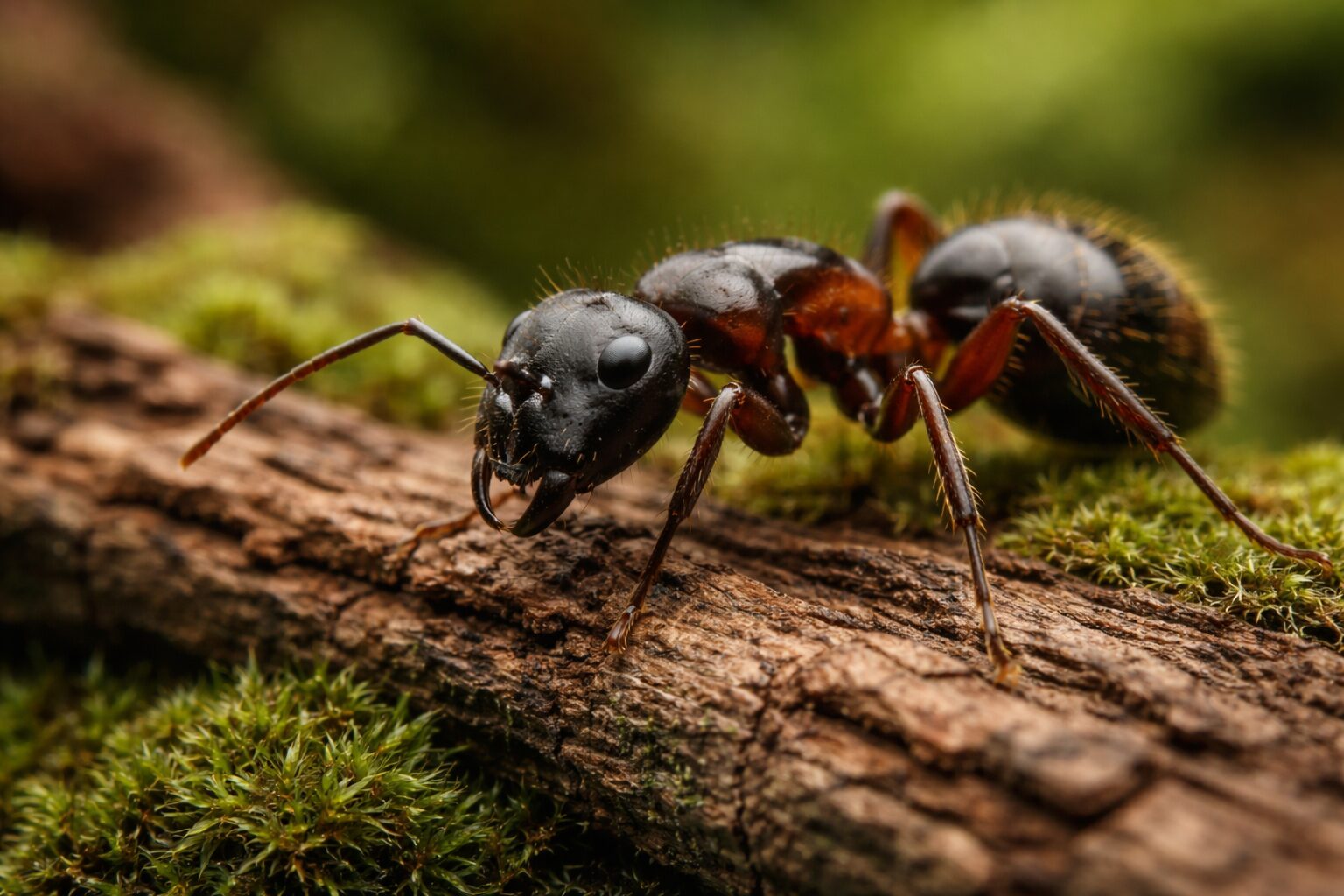
Carpenter ants are large ants that belong to the genus Camponotus. Unlike termites, they do not eat wood. Moreover, they excavate wood to create smooth tunnels and nests. This behavior can weaken wooden structures over time, which makes them a serious concern for homeowners.
- Size: Typically ranges from ¼ to ½ inch long
- Color: Usually black, but can also be red, brown, or a combination
- Body: Segmented body with a narrow waist and bent antennae
- Wings: Reproductive ants (swarmers) have wings
Carpenter ants prefer moist, decaying wood, but can also expand into dry wood as their colony grows.
Where Do Carpenter Ants Live?
Carpenter ants build their nests both indoors and outdoors. Their colonies are often divided into:
Parent Colony
Usually located outdoors in:
- Tree stumps
- Decaying logs
- Wooden fences
- Firewood piles
Satellite Colonies
Often found indoors in:
- Wall voids
- Ceiling beams
- Window frames
- Attics and basements
Satellite colonies are responsible for the damage inside your home, making them a major concern.
Which Signs Show Carpenter Ant Infestation?
Detecting carpenter ants early can save you from costly repairs. Here are some common warning signs.
Sawdust-Like Material (Frass): Carpenter ants push wood shavings out of their tunnels. This debris appears to be fine sawdust and may contain insect parts.
Rustling Noises in Walls: You may hear faint rustling sounds coming from inside walls, especially at night when ants are active.
Visible Ant Trails: While seeing large ants moving in a line along walls or floors is a clear sign of activity.
Winged Ants Indoors: The presence of winged ants inside your home indicates a mature colony.
Hollow-Sounding Wood: Tapping on wooden surfaces might reveal hollow areas where ants have tunneled.
Why Are Carpenter Ants Dangerous?
While carpenter ants don’t eat wood, their nesting behavior can still cause significant structural damage.
- Weakening of wooden beams and supports
- Damage to furniture and flooring
- Increased repair costs over time
Large infestations can compromise the structural integrity of a building if left untreated.
What Attracts Carpenter Ants?
Carpenter ants are attracted to environments that provide moisture, food, and shelter. Moreover, you must eliminate these factors to prevent infestations.
- Damp or rotting wood
- Leaky pipes or roofs
- Food crumbs and sugary substances
- Unsealed cracks and openings
What Is the Best Control for Carpenter Ants?
If you are wondering what is the best control for carpenter ants, the answer involves a combination of prevention, DIY methods, and professional pest control.
Identify and Eliminate the Nest
Locating the nest is the most effective way to eliminate carpenter ants. Without removing the colony, ants will continue to return.
Use Ant Baits
Ant baits are the most effective solutions. However, worker ants carry the bait back to the colony, potentially killing the queen and other members.
Apply Insecticides
Targeted insecticide treatments can help eliminate visible ants and reduce populations.
Seal Entry Points
By sealing entry points can prevent ants from entering by sealing cracks, gaps, and holes.
Reduce Moisture
You must fix leaks, improve ventilation, and remove damp wood to make your home less attractive.
Professional Pest Control Services
For severe infestations, hiring professionals is often the best solution. You can search for carpenter ants pest control near me to connect you with experts who have the tools and experience to eliminate the problem effectively.
Which is better, DIY or Professional Carpenter Ant Control?
If the infestation persists despite your efforts, it’s time to seek professional help.
DIY Methods
- Suitable for small infestations
- Cost-effective
- Requires consistent monitoring
Professional Services
- Ideal for large or hidden colonies
- Long-term solutions
- Advanced treatment methods
How to Prevent Carpenter Ant Infestations?
Prevention is always better than a cure. There are some practical tips that you must know to prevent ant infestations.
Eliminate Moisture Sources
- Repair leaks promptly
- Use dehumidifiers in damp areas
- Ensure proper drainage around your home
Store Firewood Properly
Keep firewood away from your home and elevated off the ground.
Trim Trees and Bushes
If branches are touching your home, they can act as bridges for ants.
Keep Your Home Clean
Regular cleaning reduces food sources that attract ants.
Seal Cracks and Gaps
Inspect your home regularly and seal potential entry points.
Lifecycle of Carpenter Ants
Meanwhile, it is essential to understand their lifecycle helps in effective control. A colony can grow rapidly, making early intervention critical.
- Egg Stage – Laid by the queen
- Larvae Stage – Fed by worker ants
- Pupa Stage – Develop into adults
- Adult Stage – Workers, soldiers, and reproductive ants
When to Call a Pest Control Expert?
You should consider professional help if:
- You see ants regularly inside your home
- DIY methods are not working
- You notice structural damage
- There are multiple colonies
However, searching for carpenter ants pest control near me ensures you get timely assistance from trained technicians.
What is the Seasonal Behavior of Carpenter Ants?
Carpenter ants are not active in the same way throughout the year. Their behavior changes with the seasons, which can influence how and when infestations become noticeable.
Spring and Summer Activity
During warmer months, carpenter ants become highly active. This is the time when reproductive ants, also known as swarmers, leave the nest to establish new colonies. Homeowners often first notice infestations during this period, as they move more indoors and outdoors.
Fall and Winter Habits
In colder months, carpenter ants slow down and may move deeper into structures to stay warm. Indoor nests become more active as ants seek stable temperatures and food sources inside homes. This makes winter infestations particularly concerning, as they often go unnoticed until damage becomes significant.
Areas Where Carpenter Ants Hide Indoors
Carpenter ants are experts at staying hidden. They prefer quiet, undisturbed areas that provide moisture and access to wood.
- Walls offer a perfect environment for nesting. Ants can create extensive tunnel systems without being seen.
- These spaces often have higher moisture levels, making them attractive for nesting. Leaky sinks and pipes provide both water and access points.
- Poor ventilation and occasional leaks make attics a common nesting site. Wooden beams in these areas are especially vulnerable.
- Moisture from condensation or weather exposure can weaken wood, that makes it easier for carpenter ants to excavate.
Natural Remedies for Carpenter Ant Control
If you are looking for eco-friendly solutions, several natural remedies can help manage carpenter ant activity. While these methods may help with minor cases, they are often insufficient for large infestations.
Vinegar Solutions
A combination of vinegar and water can disrupt ant trails and remove scent markers, which makes it harder for ants to navigate.
Essential Oils
Oils such as peppermint, tea tree, and citrus are known to repel ants. Applying these around entry points can reduce activity.
Diatomaceous Earth
You can apply this natural powder in areas where ants travel. It damages their exoskeletons and helps reduce populations over time.
Boiling Water for Outdoor Nests
Pouring boiling water directly into visible outdoor nests can effectively eliminate smaller colonies.
Do You Need Structural Repairs After Infestation?
Once carpenter ants have been eliminated, it is essential to repair the damages to prevent future issues.
Inspect Wooden Structures
You must carefully examine beams, floors, and walls for signs of weakening or hollow sections.
Replace Damaged Wood
To restore structural integrity, you must replace severely affected wood.
Reinforce Vulnerable Areas
In areas that are prone to moisture, you must use treated wood or protective coatings.
Improve Ventilation
Better airflow reduces humidity, making your home less attractive to carpenter ants.
What are the Landscaping Tips to Reduce Risk?
Your yard can play a major role in attracting or deterring carpenter ants. However, proper landscaping can lower the risk of infestation.
- Ensure that trees and shrubs do not touch your home, as they can act as bridges for ants.
- Old tree stumps, fallen branches, and decaying logs are ideal nesting sites and should be removed promptly.
- Standing water and poor drainage can create damp conditions that attract carpenter ants.
- Replacing mulch with gravel near your home’s foundation can reduce moisture and limit nesting opportunities.
Why are regular inspections important?
Routine inspections are the best way to prevent serious carpenter ant problems.
Monthly Visual Checks
You must look for signs such as ant trails, wood shavings, or moisture issues.
Annual Professional Inspections
You can book our pest control expert to inspect your home annually, helping detect hidden infestations early.
Monitoring High-Risk Areas
Pay special attention to basements, attics, and areas with plumbing, as these are common hotspots.
Myths About Carpenter Ants
There are many misconceptions about carpenter ants that can lead to ineffective control methods.
Myth 1: Carpenter Ants Eat Wood
In reality, they only tunnel through wood to create nests.
Myth 2: Small Infestations Are Harmless
Even a small colony can expand quickly and cause significant damage over time.
Myth 3: One Treatment Is Enough
Carpenter ant control often requires ongoing monitoring and multiple treatments.
Myth 4: Clean Homes Don’t Get Infested
While cleanliness helps, moisture and structural conditions are bigger factors.
What are the Signs of Reinfestation?
Even after treatment, it is important to watch for signs that carpenter ants may have returned.
- Seeing ants again in previously treated areas is a clear warning sign.
- Fresh wood shavings indicate active tunneling.
- Carpenter ants are more active at night, so spotting them at night may signal a new infestation.
How to Choose the Right Pest Control Plan?
Furthermore, selecting the right approach depends on the infestation severity and the structure of your property.
Customized Treatment Plans
Every home is different, so treatment should be tailored to specific conditions and infestation levels.
Integrated Pest Management (IPM)
This helps to combine prevention, monitoring, and targeted treatments for long-term results.
Follow-Up Services
Regular follow-ups ensure that the infestation has been eliminated and does not return.
Conclusion
Carpenter ants are persistent pests that require a proactive and well-planned approach. Thus, understanding carpenter ants’ seasonal behavior, hiding spots, and environmental preferences can significantly help keep your home protected.
While you combine preventive measures, natural remedies, and professional support when needed, you can effectively manage carpenter ants and avoid costly damage—regular maintenance and vigilance help in ensuring that these destructive pests do not return.
Frequently Asked Questions
Till when can I get rid of carpenter ants?
The time required depends on the size and location of the colony. Small infestations may be controlled within a few days with baits, whereas larger or hidden colonies may take several weeks and may require professional treatment.
Are carpenter ants active at night?
Carpenter ants are primarily nocturnal. They are most active after sunset, which is when they search for food and expand their tunnels.
Can carpenter ants spread from one house to another?
Carpenter ants do not spread directly between homes, but nearby outdoor colonies can expand and create satellite nests inside multiple properties if conditions are favorable.
Do carpenter ants bite humans?
However, carpenter ants are not aggressive, but can bite if threatened. Their bites are usually harmless, though they may cause mild discomfort or irritation.
Is it necessary to treat outdoor nests as well?
Treating outdoor nests is important because they often serve as the main colony. By only eliminating indoor ants without addressing outdoor sources can lead to recurring infestations.
What attracts carpenter ants into homes in the first place?
However, carpenter ants are attracted to moisture-damaged wood, food sources, such as sweets or proteins, and easy entry points. If your home leaks, has poor ventilation, or has damp areas, it is vulnerable to infestations.