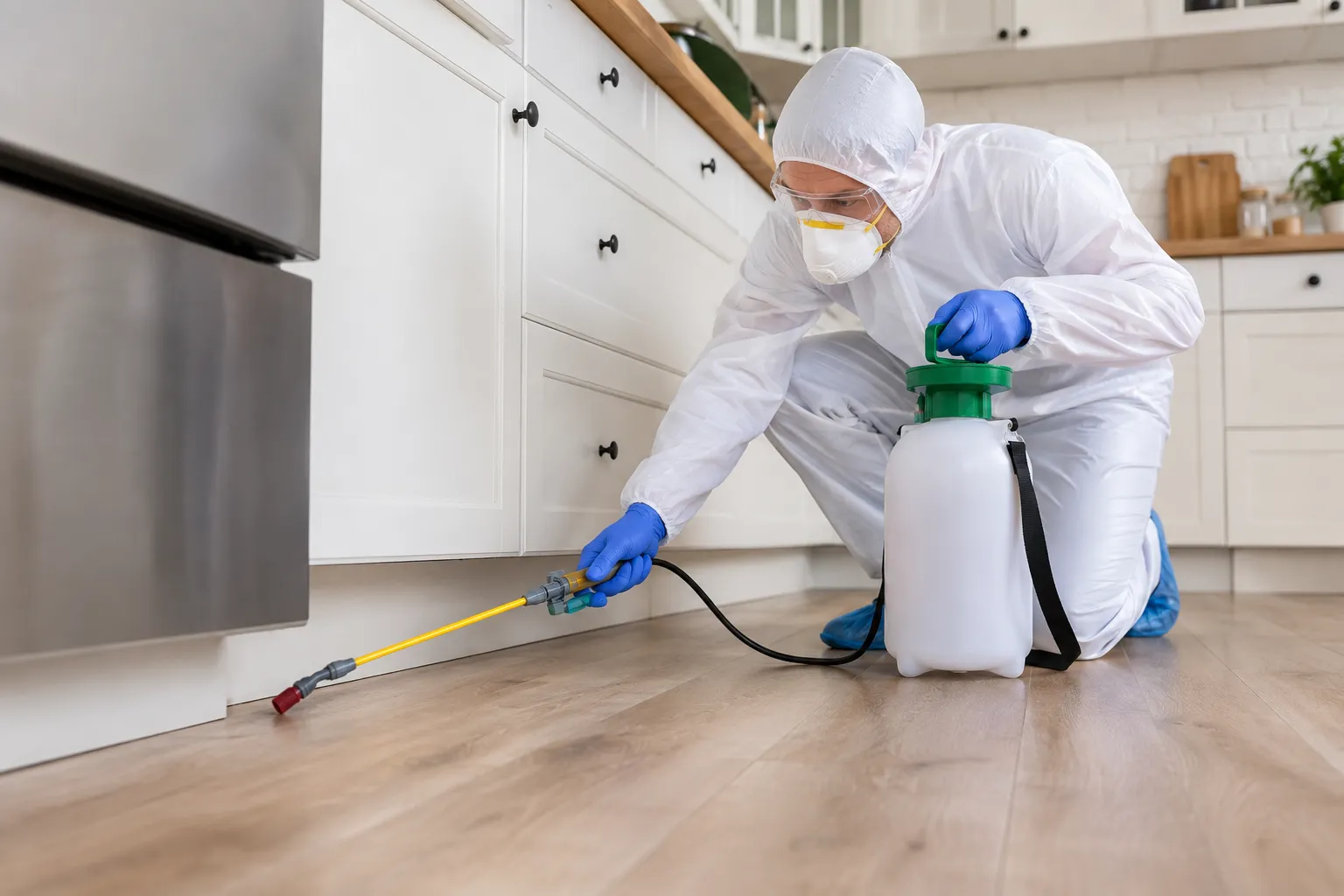
Pest problems can appear in any home or business, and addressing them early can help prevent property damage, contamination, and recurring infestations. If you are researching How Much Does Pest Control Cost in Dover, DE? It is important to understand that there is no single price for every pest control service. The total cost depends on the type of pest, severity of the infestation, size of the property, treatment method, and if you need a one-time service or ongoing protection.
Table of Contents
ToggleHow Much Does Pest Control Cost?
So, How Much Does Pest Control Cost? It depends on the circumstances of the property. A small pest problem may require a simple treatment, while a severe or established infestation could require multiple visits and specialized treatment.
- Type of pest
- Size of the property
- Severity of infestation
- Number of affected areas
- Treatment method
- Accessibility of pest activity
- Number of treatments required
- Follow-up inspections
- Preventive maintenance requirements
Our professional inspection can help identify the pest, determine the extent of the issue, and establish an appropriate treatment plan.
What Factors Influence Pest Control Pricing in Dover, DE?
When considering How Much Does Pest Control Cost in Dover, DE, local conditions can also play a role. Seasonal weather, property construction, landscaping, moisture levels, and nearby vegetation may influence pest activity.
Homes with basements, crawl spaces, garages, attics, or other accessible entry points may require additional inspection and treatment. Properties surrounded by dense landscaping can also have more opportunities for insects and rodents to enter.
The condition of the property matters as well. Gaps around doors, damaged screens, cracks in foundations, leaking pipes, and other openings can create pathways for pests.
Our professional pest control service can identify these vulnerabilities and recommend ways to reduce future infestations.
What are the Pest Control Services?
Different pests require different approaches. All pest control service treatment plans are based on the species involved and the conditions supporting the infestation.
Ant Control
Ants can enter homes through very small openings while searching for food and moisture. Treatment may include identifying entry points, targeting active colonies, and recommending measures to reduce future activity.
Cockroach Control
Cockroaches can hide in kitchens, bathrooms, cabinets, wall voids, and other dark areas. Effective control includes a combination of inspection, targeted treatment, sanitation recommendations, and follow-up monitoring.
Spider Control
Spiders may become more noticeable around windows, garages, basements, sheds, and outdoor structures. When you remove webs and reduce the insects that serve as their food source, it can help manage spider activity.
Rodent Control
Mice and rats can enter through small openings and may cause property damage by chewing insulation, wiring, and other materials. Rodent control can involve inspection, trapping or other appropriate measures, entry-point identification, and prevention recommendations.
Termite Services
Termites can cause significant structural damage if an infestation remains untreated. Inspection is particularly important when homeowners notice damaged wood, discarded wings, mud tubes, or other potential signs of termite activity.
Which is Better?: One-Time Pest Control vs. Recurring Service
You generally have two broad options: one-time pest treatment or recurring pest management.
A one-time service may be appropriate for an isolated pest issue. However, recurring service can be useful for properties that experience repeated pest activity throughout the year.
Recurring programs are generally designed to monitor pest activity and address potential problems before they become major infestations. The frequency may depend on the property’s condition, pest pressure, season, and type of pest.
Moreover, you can choose between one-time and recurring service, which depends on the property’s actual needs rather than simply selecting the cheapest option.
How Often Should You Get Pest Control?
How Often Should You Get Pest Control? There is no universal schedule for every property. Some homes may benefit from seasonal treatments, while others with persistent pest pressure may require more frequent service.
- History of pest problems
- Type of pest
- Property size and construction
- Local environmental conditions
- Nearby vegetation
- Moisture levels
- Previous infestations
- Effectiveness of previous treatments
Preventive pest control is often scheduled at regular intervals because pest activity can change throughout the year. We recommend a schedule based on the specific needs of your property.
Which Signs Indicate You May Need Professional Pest Control?
Common warning signs include seeing pests repeatedly, finding droppings, noticing unusual odors, discovering damaged food packaging, hearing scratching sounds, finding nests, or seeing damage to wood and other materials.
You may also notice an increase in insects around windows, doors, lights, kitchens, bathrooms, or other areas where pests commonly gather.
If signs continue after basic cleaning and prevention efforts, a professional inspection can help determine the underlying cause.
How to Reduce Pest Problems Between Treatments?
Our pest control works best when combined with good property maintenance. You can reduce pest attraction by keeping food in sealed containers, cleaning crumbs and spills promptly, removing standing water, maintaining clean garbage areas, and keeping indoor spaces dry.
Outdoor maintenance is also important. Trim vegetation away from the structure, remove unnecessary debris, maintain drainage, and inspect the exterior for gaps or cracks.
Sealing potential entry points around doors, windows, utility lines, and foundations can make it more difficult for pests to enter.
Frequently Asked Questions
What is the cost of pest control in Dover, DE?
The cost depends on the type of pest, severity of the infestation, property size, treatment method, and number of visits required. Our inspection provide a more accurate estimate.
How much does pest control cost for a one-time treatment?
A one-time treatment would cost less than a recurring pest control plan, but the price depends on the pest and size of the affected area.
How often should you get pest control?
Some homes may need seasonal treatments, while properties with recurring infestations may benefit from more frequent service.
What pests can professional pest control treat?
Our pest control services can address common household pests such as ants, cockroaches, spiders, rodents, termites, and other unwanted insects or animals.
How can I prevent pests from returning after treatment?
You must keep food sealed, clean spills promptly, remove standing water, maintain outdoor areas, trim vegetation, and seal cracks or gaps windows, foundations, and utility openings.