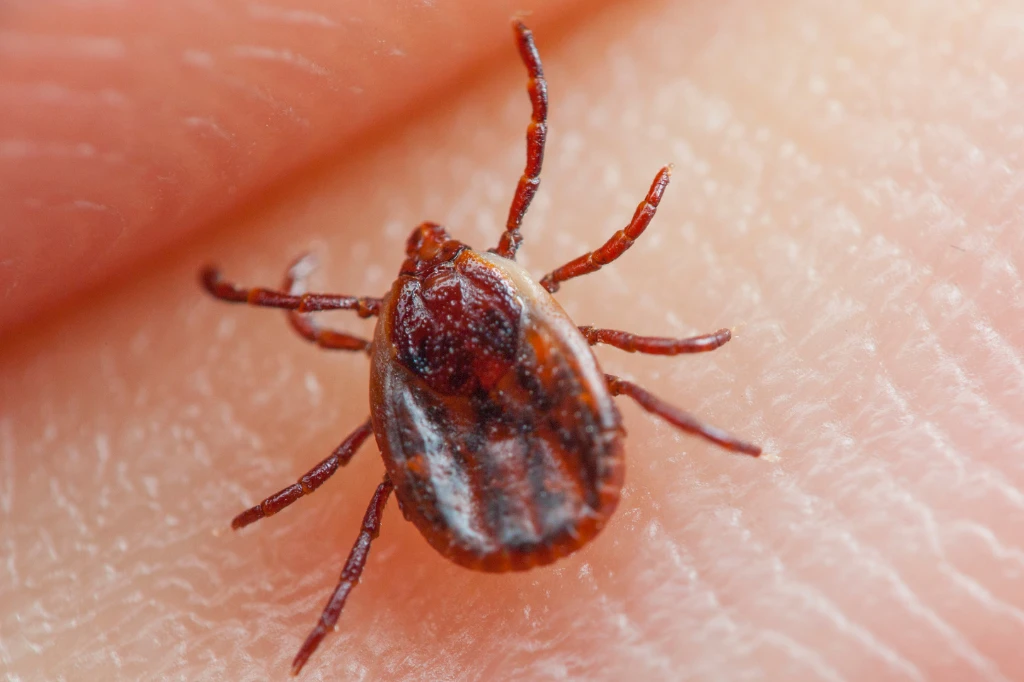
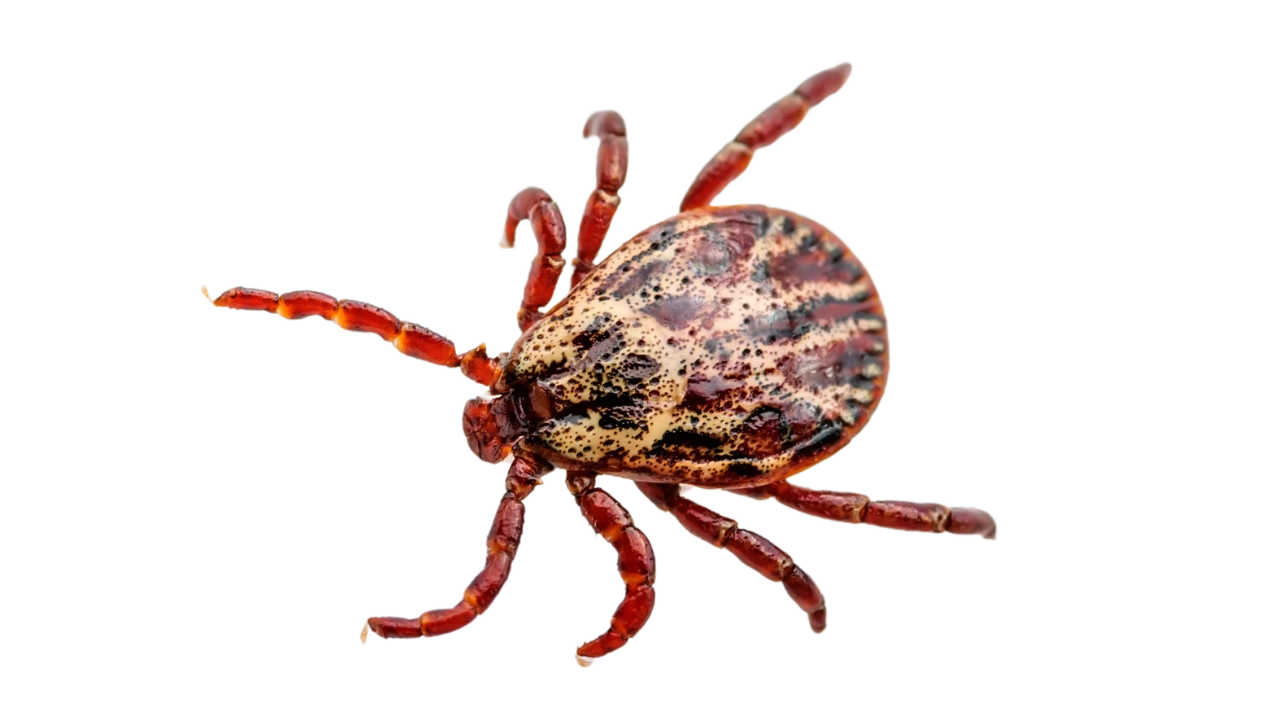

Finding ticks on dogs or other pets after outdoor activities

Discovering ticks on shoes, socks, or clothing after walking through your yard

Repeatedly finding ticks on family members or pets

Overgrown grass, shrubs, or dense ground cover

Accumulated leaves and organic debris around the property

A yard located near wooded areas or dense natural vegetation
01 — Outdoor Property Inspection
We inspect your property for areas that may support tick activity, including lawn edges, shrubs, brush, shaded areas, leaf litter, and wooded borders.
02 — Identify Tick-Prone Areas
Ticks are not distributed evenly across a property. We identify locations where shade, moisture, vegetation, and wildlife activity may create favorable conditions.

03 — Evaluate Property Conditions
We look for tall grass, dense ground cover, leaf buildup, overgrown landscaping, brush, and other factors that may contribute to tick activity.
04 — Customized Treatment Plan
We create a treatment approach based on your yard size, landscaping, tick activity, and the areas most frequently used by people and pets.

05 — Targeted Tick Treatment
Treatment is focused on appropriate tick-prone areas rather than unnecessarily treating unaffected portions of the property.
06 — Prevention & Follow-Up
We recommend practical yard-maintenance steps and may provide follow-up treatments when seasonal tick activity continues.

Lawns & Lawn Edges
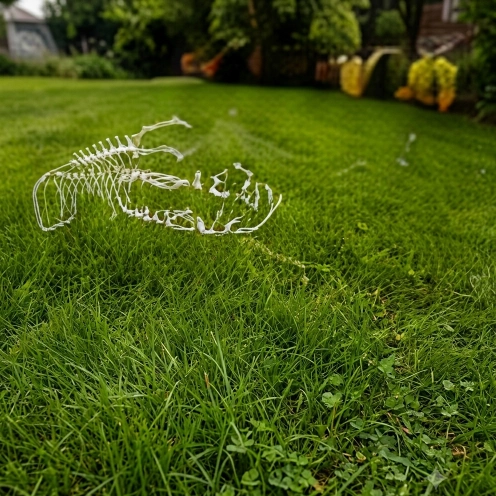
Ticks may be more common where maintained lawns meet taller vegetation or wooded surroundings. These transition areas can be included in a targeted treatment plan.
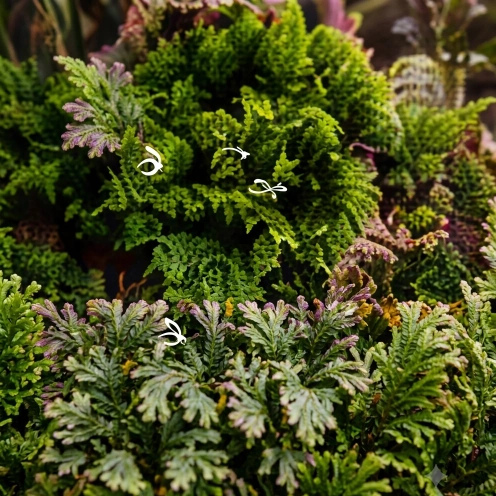
Dense Shrubs & Ground Cover
Shrubs, ornamental plants, and dense ground cover can provide shade and moisture where ticks may remain.
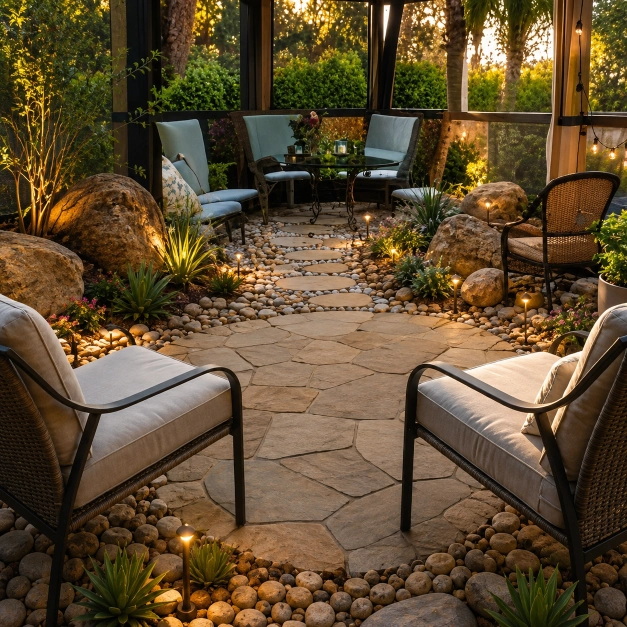
Wooded Property Borders
Properties near wooded areas may experience increased tick activity, particularly around the boundary between maintained lawns and natural vegetation.
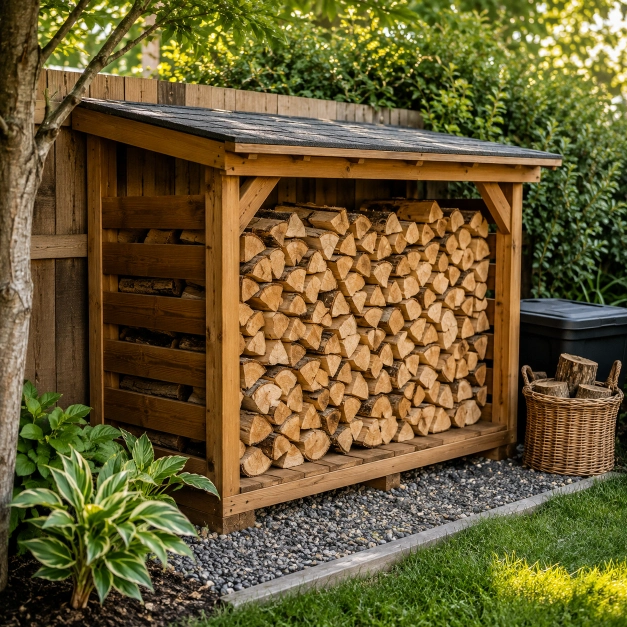
Leaf & Organic Debris
Leaves, branches, and organic material can create cool, protected conditions for ticks. Maintaining these areas can support an overall tick management strategy.
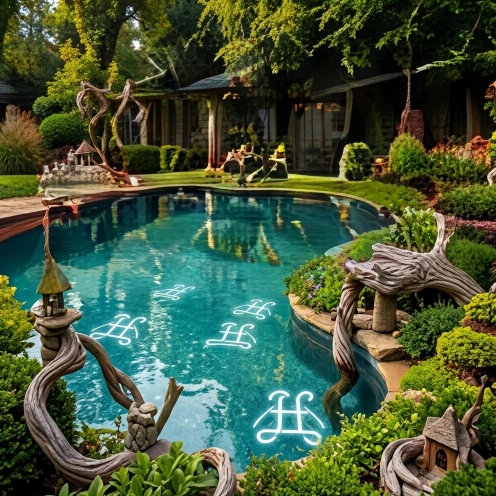
Outdoor Pet Areas
Dog runs, play areas, and frequently used outdoor spaces can be considered when developing a customized tick control plan.
Property Size
Larger yards may require treatment across a wider area.
Tick Activity
Heavy or recurring activity may require a more comprehensive treatment plan.
Landscaping
Dense shrubs, ground cover, wooded borders, and vegetation can affect treatment requirements.
Property Conditions
Tall grass, leaf buildup, brush, moisture, and other conditions can contribute to tick activity.
Treatment Areas
The recommended approach depends on where ticks are most likely to be active.
Seasonal Follow-Up
Properties with recurring seasonal activity may benefit from scheduled treatments.