


Small droppings around cabinets, appliances, food storage, and walls

Chewed packaging, wood, plastic, insulation, or other materials

Scratching or movement sounds inside walls, ceilings, attics, or floors

Shredded paper, cardboard, fabric, or insulation used for nesting

Unusual or persistent odors in enclosed areas

Repeated sightings of mice or rats inside your property
01. Property Inspection
We begin with a detailed inspection of areas where rodent activity may be present, including kitchens, basements, attics, garages, crawl spaces, utility areas, and exterior locations.
02. Identify the Rodent
We determine whether the activity involves mice, rats, or another type of rodent. Identification helps us understand likely nesting locations and movement patterns.

03. Locate Entry Points
Rodents can enter through surprisingly small openings. We inspect areas around pipes, vents, doors, foundations, roofs, utility lines, and other potential access points.
04. Customized Control Plan
We develop a treatment strategy based on the rodent species, activity level, affected areas, property layout, and conditions supporting the infestation.

05. Targeted Rodent Control
Control measures are strategically placed in areas where rodent activity has been identified. This approach focuses treatment where it is needed rather than applying unnecessary measures throughout unaffected areas.
06. Follow-Up Monitoring
For established or recurring infestations, follow-up visits may be recommended to monitor activity and determine whether additional treatment or exclusion work is necessary.

House Mice
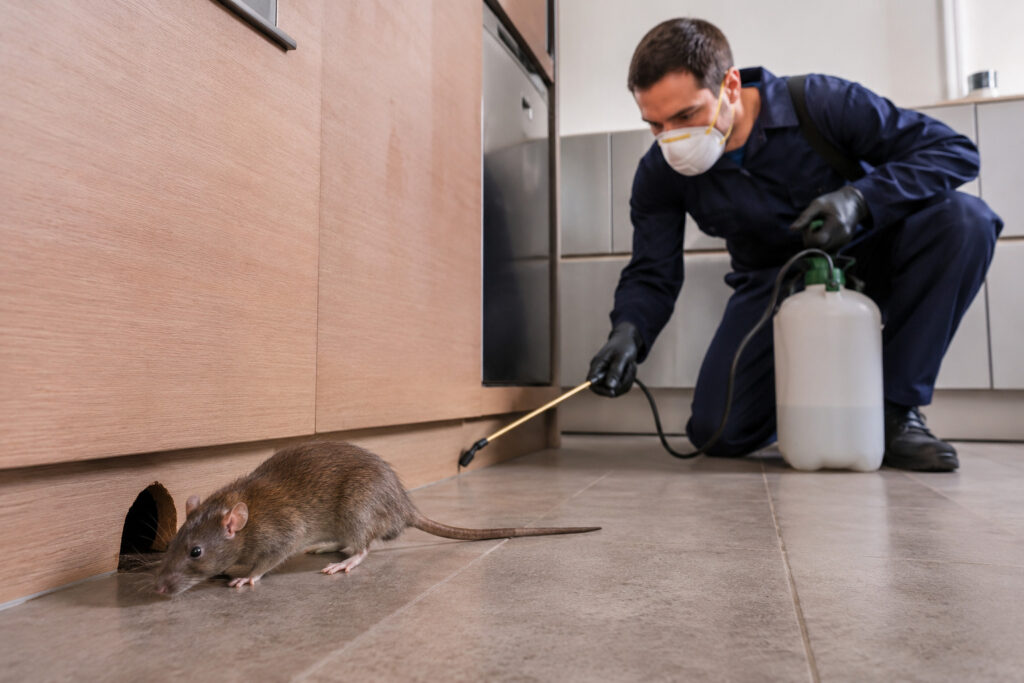
House mice can enter buildings through small openings and nest behind walls, inside cabinets, attics, storage areas, and other sheltered spaces. They may contaminate food and leave droppings and nesting materials behind.

Norway Rats
Norway rats commonly seek shelter around foundations, basements, crawl spaces, and other areas close to the ground. They can cause damage through gnawing and may contaminate areas where they live.

Roof Rats
Roof rats are agile climbers and may enter properties through rooflines, vents, trees, utility connections, and other elevated access points. Attics and upper-level areas can provide suitable shelter.

Field Mice & Other Rodents
Outdoor rodents may occasionally enter buildings while looking for food and shelter, particularly when weather or environmental conditions change. A professional inspection can help identify the species and determine the appropriate management approach.
Property Size
Larger homes and commercial buildings may require more extensive inspection and treatment.
Type of Rodent
Mice and rats have different behaviors, nesting locations, and control requirements.

Entry Points
Multiple structural gaps or access points can increase the scope of exclusion work.
Infestation Severity
A small, isolated problem may require less service than an established infestation affecting several areas.
Treatment Requirements
The recommended control strategy depends on the species, activity level, and conditions around the property.
Follow-Up Service
Established infestations may require monitoring and additional visits.