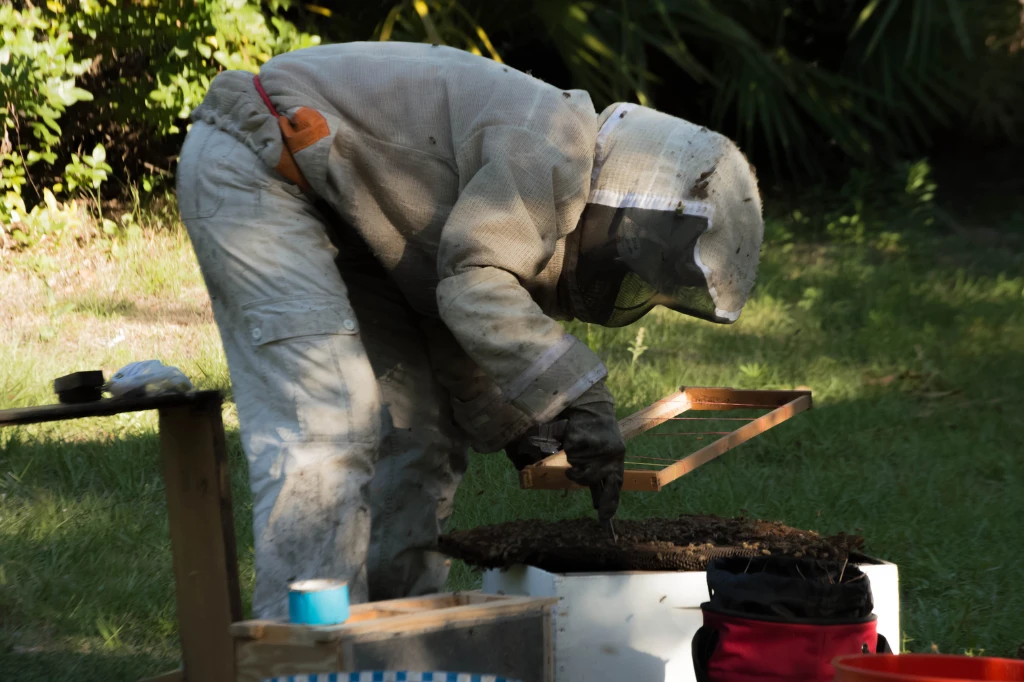
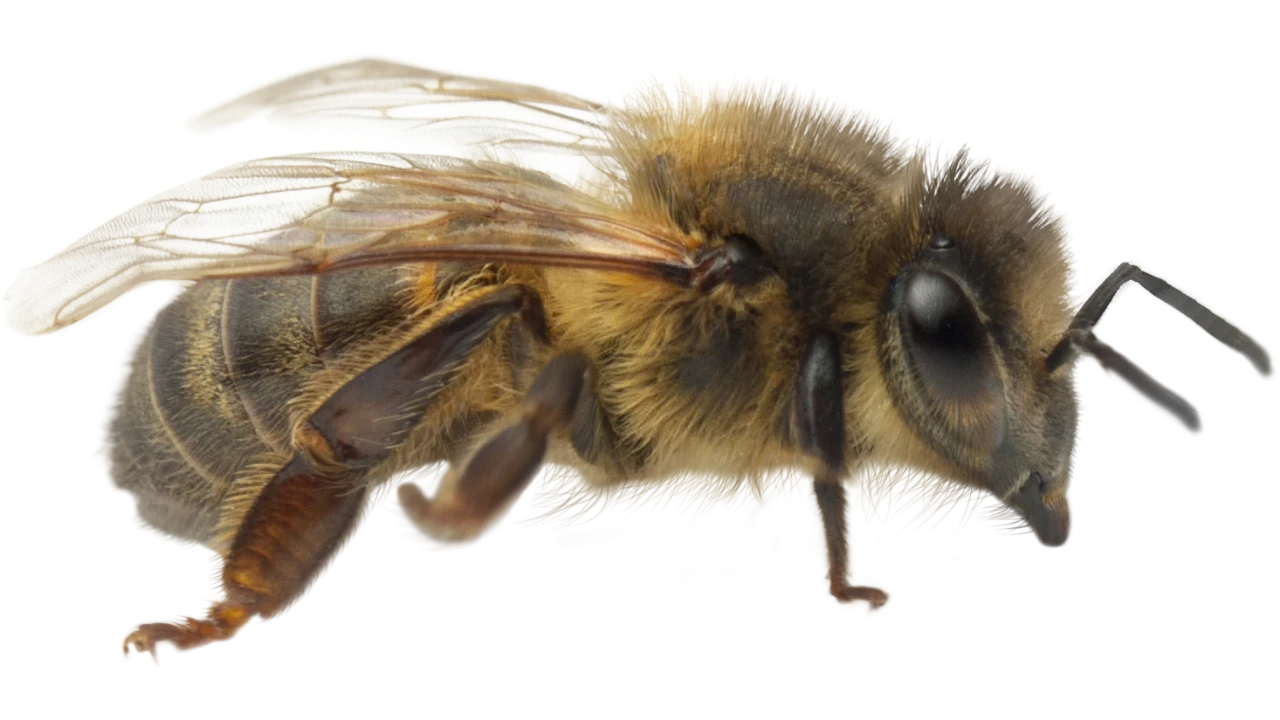

Bees repeatedly entering a crack, vent, roofline, or wall opening

Sudden increases in bee activity around your property

Persistent buzzing coming from a wall, attic, roof, or other enclosed space

Bee colonies established in trees, sheds, walls, or roof areas
Clusters of bees gathered on trees, fences, buildings, or other surfaces

Repeated bee activity around the same part of your property
01 — Property Inspection
We inspect areas where bee activity has been noticed, including rooflines, trees, wall openings, attics, sheds, and exterior structures.
02 — Bee Identification
Correct identification helps determine the appropriate management approach. Bees, wasps, and other stinging insects can look similar but may require different solutions.

03 — Locate the Colony
We look for signs that can help identify where the colony is located, especially when bees are entering a building through a small opening.
04 — Customized Treatment Plan
We develop a service plan based on the bee species, colony location, accessibility, activity level, and property conditions.

05 — Targeted Bee Management
Treatment focuses on the affected area and source of activity rather than unnecessarily treating unaffected parts of the property.
06 — Prevention & Follow-Up
We identify potential entry points and conditions that may encourage future bee activity. Follow-up may be recommended for established or difficult-to-access colonies.
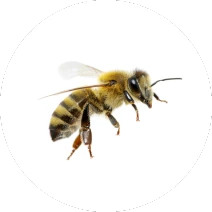
Honey Bees
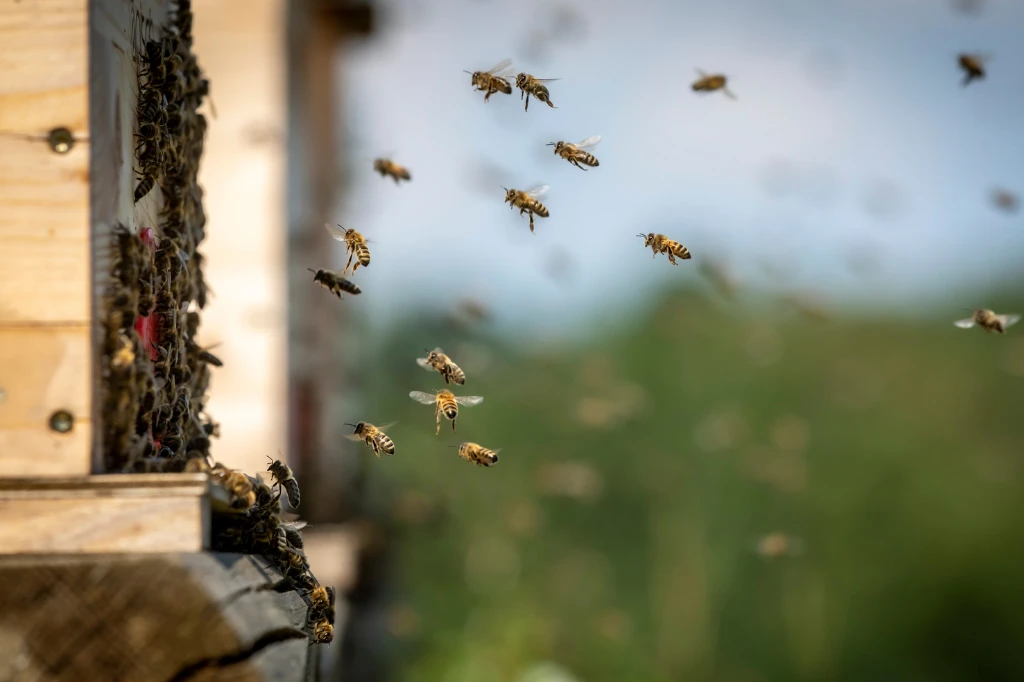
Honey bees may establish colonies in wall voids, attics, chimneys, trees, roof structures, and other protected spaces. Established colonies inside structures should be professionally assessed.
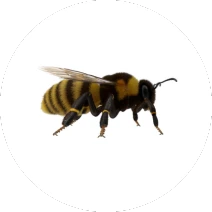
Carpenter Bees
Carpenter bees create nesting tunnels in exposed or weathered wood. They may be found around decks, fences, eaves, sheds, and wooden siding.
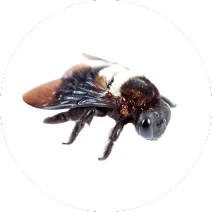
Bumble Bees
Bumble bees may nest in sheltered areas such as ground cavities, landscaping, sheds, and other protected locations.
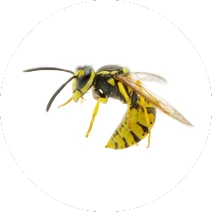
Bee Swarms
A swarm can occur when a colony divides and a group of bees searches for a new nesting location. Swarms may temporarily gather on trees, fences, buildings, or other surfaces.
Colony Size
Larger or established colonies may require more extensive service.
Bee Species
Different bee species may require different management strategies.

Colony Location
Colonies inside walls, attics, roofs, trees, or other difficult locations can increase the scope of work.
Property Size
Larger properties may require a broader inspection to locate the source of activity.
Accessibility
The difficulty of safely reaching the affected area can affect the work involved.
Follow-Up Requirements
Some situations may require additional inspection or treatment.