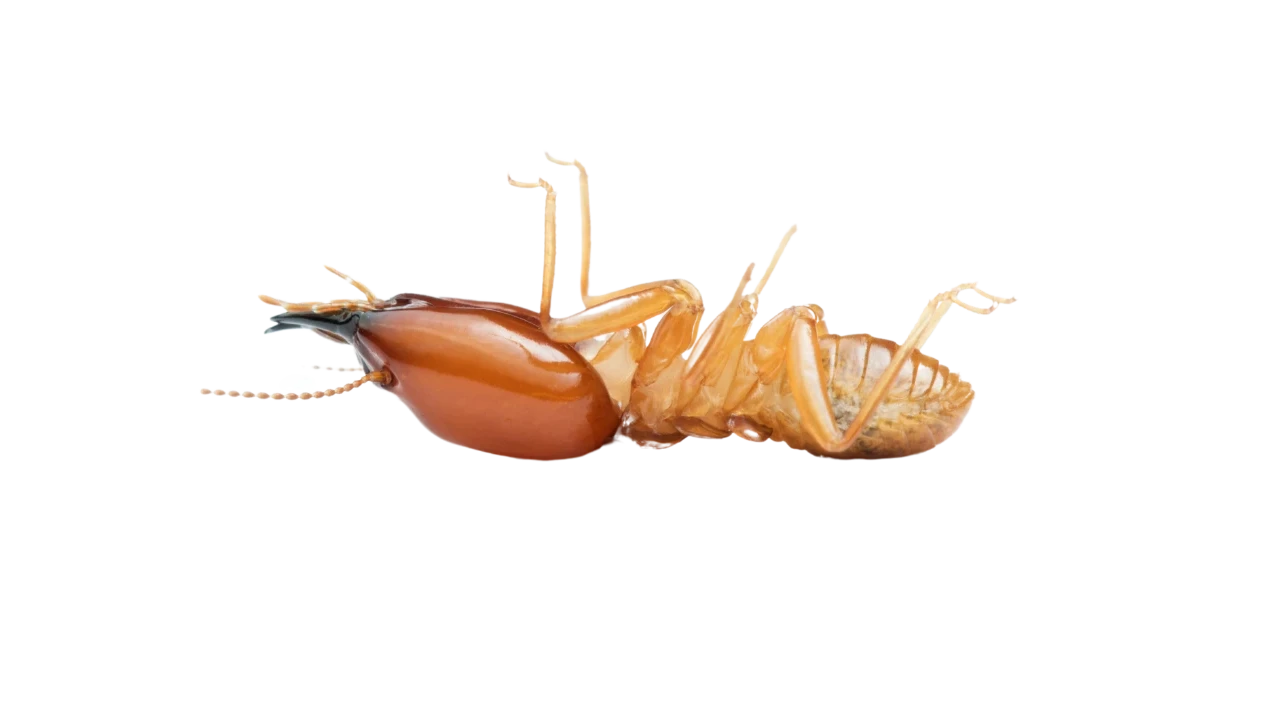

Mud Tubes: Pencil-sized tubes along foundations, walls, crawl spaces, or other structures may indicate subterranean termite activity.

Damaged Wood: Hollow-sounding, weakened, blistered, or visibly damaged wood may require professional inspection.

Discarded Wings: Piles of shed wings near windows, doors, or light sources can indicate termite swarmers.

Termite Droppings: Small pellet-like material near wooden structures may be associated with certain termite species.
Bubbling Surfaces: Raised or blistered flooring, paint, wallpaper, or wood may warrant further investigation.

Recurring Activity: Continued termite sightings or signs after previous treatment should be professionally evaluated.
01. Detailed Property Inspection
We inspect accessible areas for evidence of termite activity, including foundations, wooden structures, crawl spaces, basements, attics, moisture-prone areas, and other potential termite zones.
02. Termite Identification
Different termite species have different nesting habits and behaviors. Identifying the termite type helps determine where activity may be occurring and which control strategy may be appropriate.

03. Infestation Evaluation
We evaluate visible damage, active areas, mud tubes, moisture conditions, soil contact, potential entry points, and other evidence to better understand the extent of the problem.
04. Customized Treatment Plan
After the inspection, we develop a treatment strategy based on the termite species, property layout, activity level, and affected areas.

05. Targeted Termite Treatment
Treatment is focused on areas where termite activity is identified or where colonies may be established. The recommended approach depends on the property and infestation conditions.
06. Monitoring & Follow-Up
Termite control may require ongoing monitoring or follow-up inspections. We evaluate treatment progress and determine whether additional measures may be needed for continued protection.
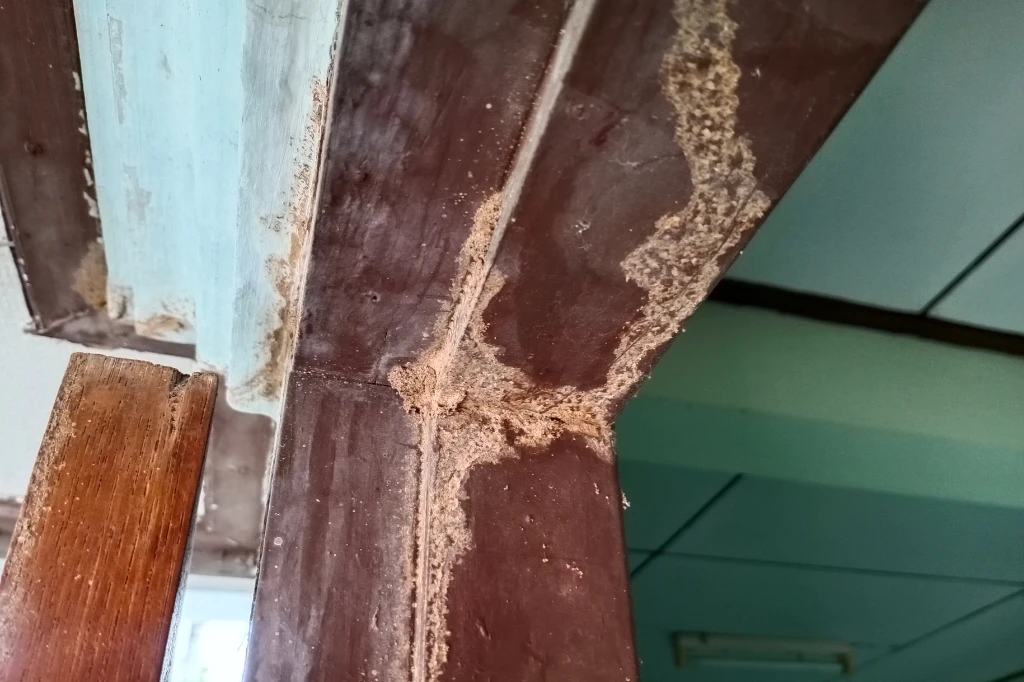
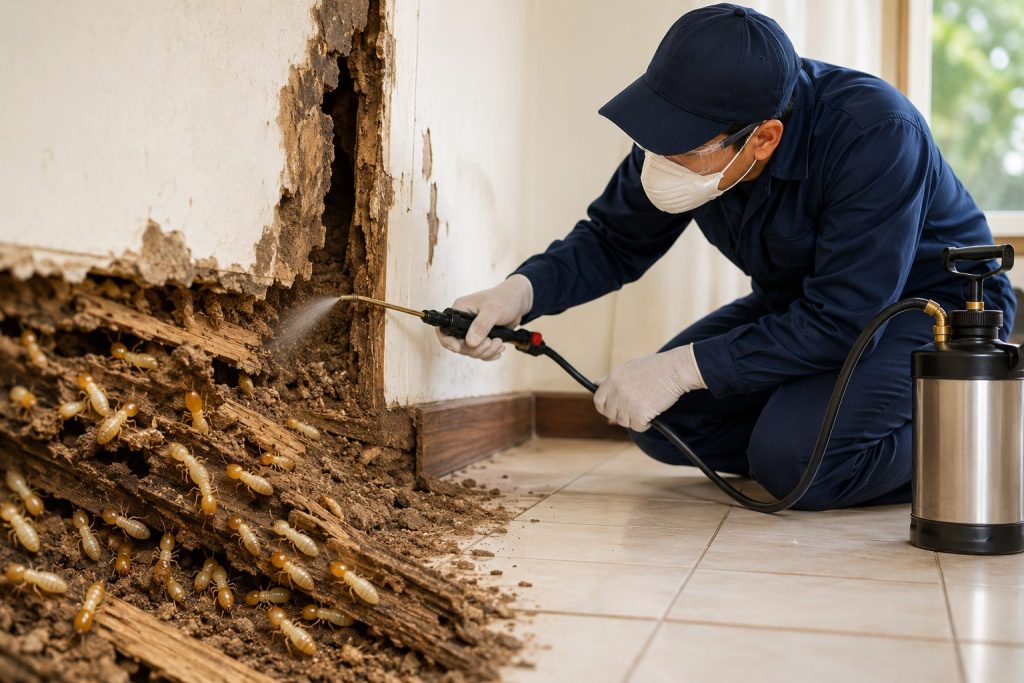
Subterranean Termites
Subterranean termites live in or near soil and can enter structures while searching for food. They may create mud tubes that provide protected routes between the colony and a building.
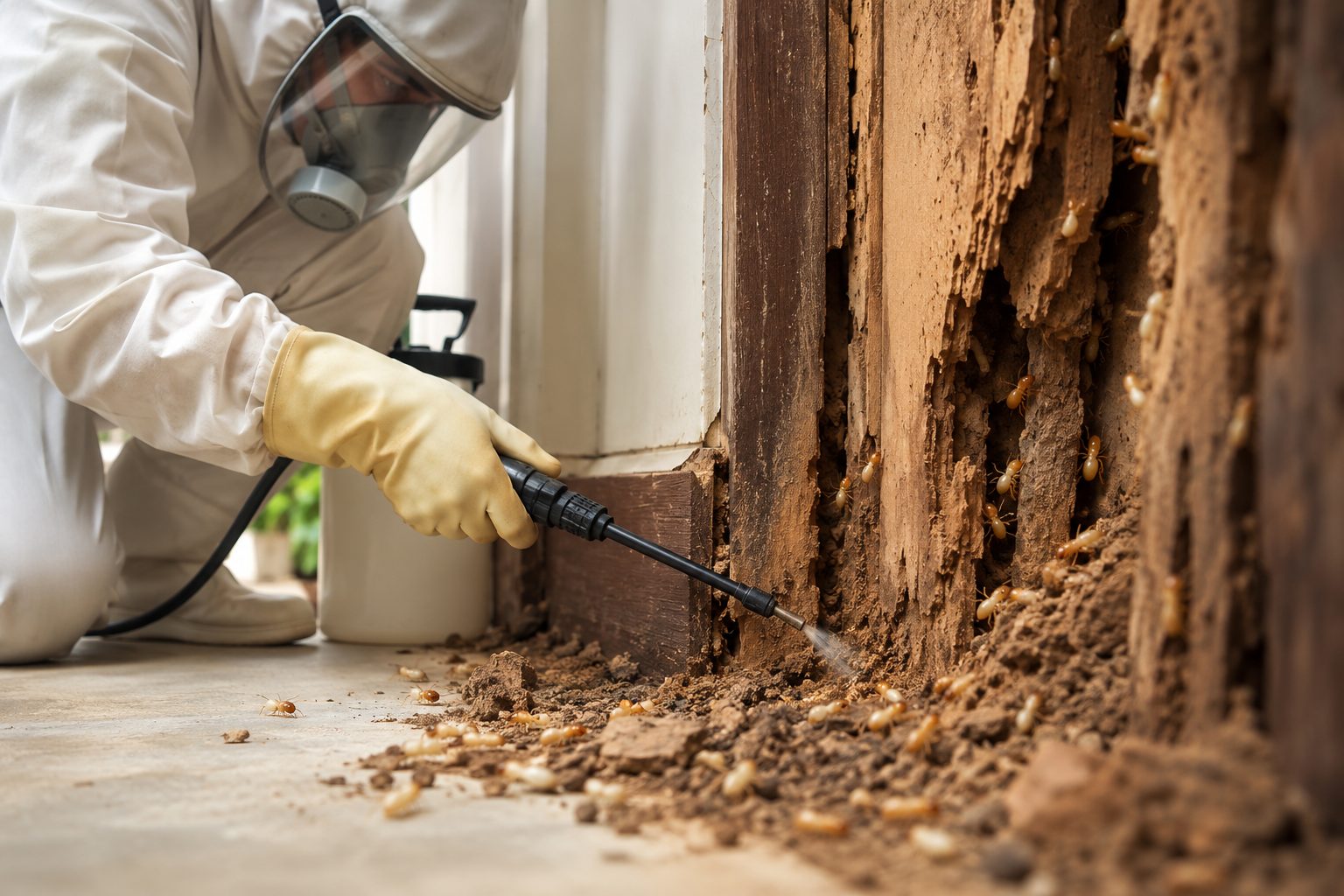
Drywood Termites
Drywood termites can infest dry wooden structures without requiring direct soil contact. They may establish colonies in roof structures, framing, furniture, and other wooden components.
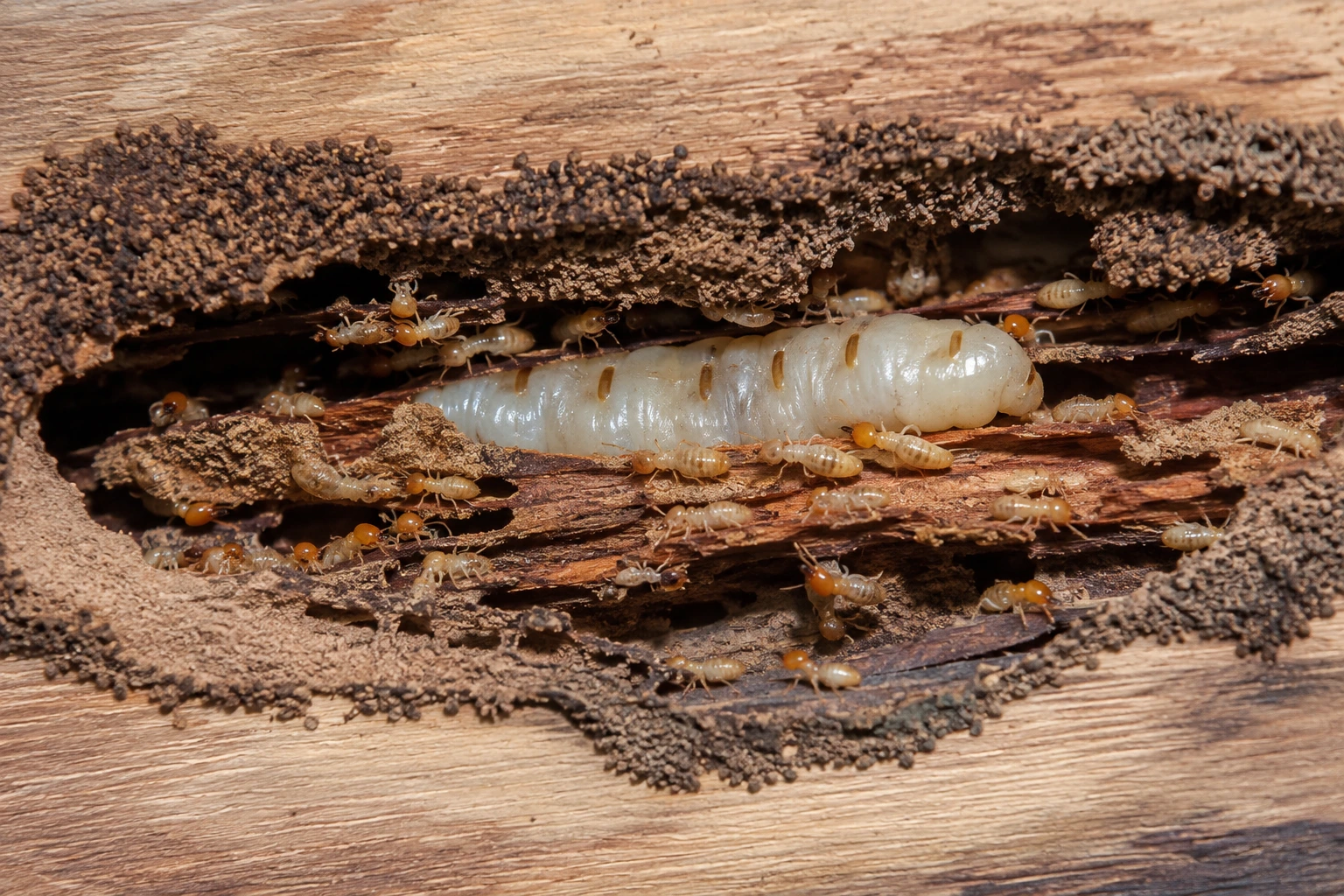
Dampwood Termites
Dampwood termites are commonly associated with moisture-rich wood. Leaks, water damage, and persistent moisture can create conditions favorable to these termites.
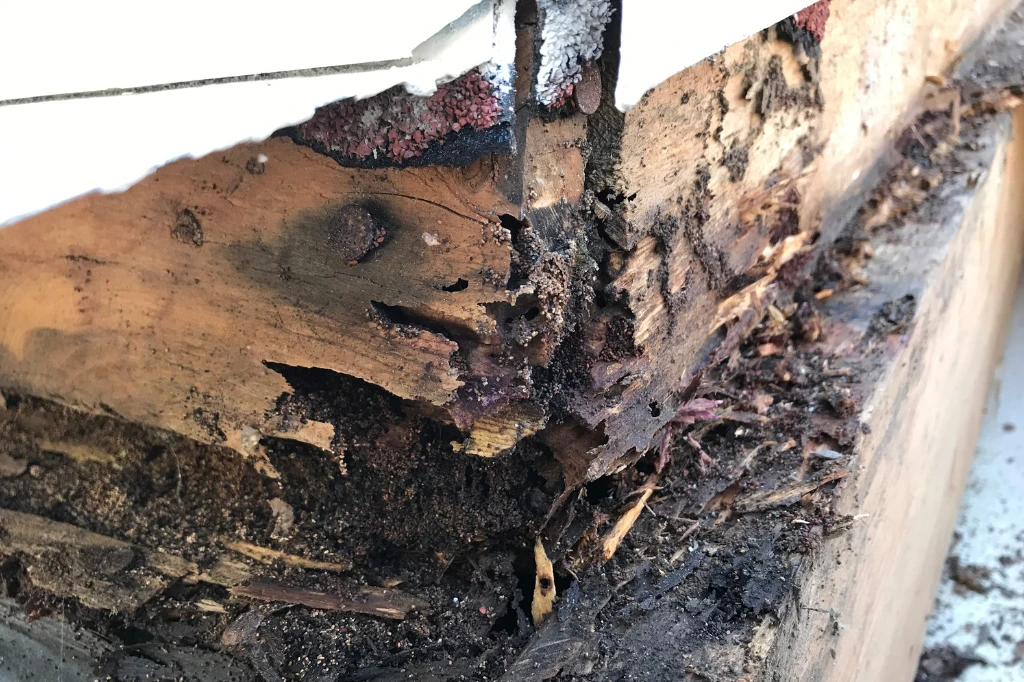
Other Termite Species
Our termite control services can address other termite species and activity identified around properties near Dover. Proper identification helps determine the most suitable management approach.
Property Size
Larger properties may require more extensive inspection and treatment.
Type of Termite
Different species have different behaviors, nesting locations, and treatment requirements.
Location of Activity
Termites found in foundations, crawl spaces, walls, roof structures, or difficult-to-access areas can affect the scope of treatment.
Infestation Severity
A localized issue may require a different level of service than an established infestation affecting multiple areas.
Treatment Method
The recommended treatment approach depends on the termite species, activity, property construction, and other site conditions.
Follow-Up Requirements
Some termite situations require monitoring, additional inspections, or follow-up treatment.