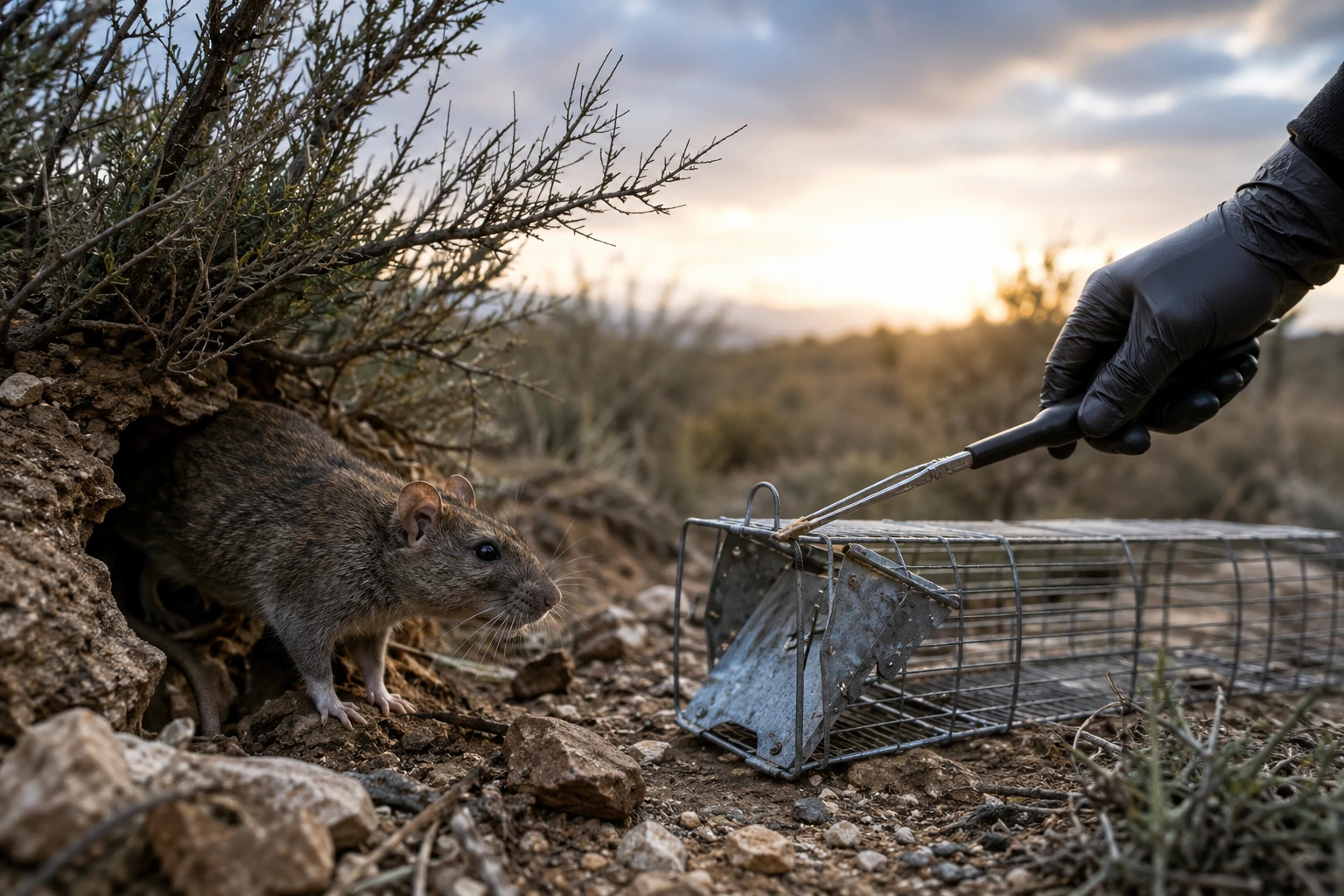
Wild rodents can be a serious nuisance when they enter homes, garages, sheds, commercial buildings, or other structures. Mice and rats can reproduce quickly, contaminate surfaces, damage insulation, chew electrical wiring, and create unpleasant odors. Effective Controlling Wild Rodent Infestations requires more than simply removing the rodents that are currently visible. It helps in identifying how they are entering, eliminating conditions that attract them, and taking preventive measures to reduce future activity.
Table of Contents
ToggleWhy Do Wild Rodents Enter Properties?
Rodents are constantly looking for food, water, and shelter. As temperatures change or outdoor food sources become limited, they may move closer to homes and buildings.
- Easily accessible food
- Open garbage containers
- Pet food left outdoors
- Birdseed
- Standing water
- Overgrown vegetation
- Wood piles and clutter
- Cracks around foundations
- Gaps around doors and windows
- Unsealed openings around pipes and utility lines
How to Identify and Prevent Rodent Infestations?
The first step to identify and prevent rodent infestations is learning to recognize the signs of rodent activity. You may not always see a rat or mouse during the day, but their presence can be identified through other evidence.
Common Signs of Rodents
- Small droppings near food or storage areas
- Gnaw marks on wood, plastic, or wiring
- Scratching sounds inside walls or ceilings
- Nesting material
- Greasy marks along frequently used pathways
- Unusual odors
- Damaged food packaging
- Burrows around outdoor structures
- Holes or gaps that appear to have been recently used
Inspect Entry Points
Rodents can squeeze through surprisingly small openings. Inspect areas around foundations, rooflines, vents, doors, windows, plumbing penetrations, and utility connections.
Small gaps should be sealed with appropriate materials that rodents cannot easily chew through. Door sweeps and properly fitted screens can also reduce potential access points.
How to Control of Rodent Pests?
Effective Control of rodent pests includes several steps rather than relying on a single method. Our pest control inspection helps to determine the extent of activity and identify nesting or entry areas.
An approach may include inspection, exclusion, sanitation improvements, population reduction, and follow-up monitoring.
Property Inspection
Our technician can inspect both interior and exterior areas to identify signs of rodents. Particular attention should be given to kitchens, attics, basements, crawl spaces, garages, storage rooms, and areas around utility penetrations.
Identify Rodent Entry Points
Finding the routes rodents use to enter is essential. Removing rodents without addressing entry points can allow new animals to enter later.
Improve Sanitation
Food and water sources should be minimized. Store food in sealed containers, clean spills promptly, secure garbage, and avoid leaving pet food accessible overnight.
Outdoor areas should also be maintained. Remove unnecessary clutter, keep vegetation trimmed, and store firewood away from building walls when possible.
Reduce Rodent Activity
Depending on the situation, professionals may use appropriate control methods to reduce the active rodent population. The method selected should consider the type of rodent, location, property use, and safety requirements.
Monitor the Property
Follow-up inspections can help determine whether activity has stopped. Continued monitoring is especially useful when the property has experienced a significant infestation.
Why Rodent Exclusion Is Important?
Rodent exclusion focuses on preventing rodents from entering a structure in the first place. It is one of the most important parts of long-term Controlling Wild Rodent Infestations.
- Sealing cracks and holes
- Repairing damaged screens
- Installing suitable door sweeps
- Securing vents
- Closing gaps around pipes
- Repairing damaged exterior materials
- Improving storage practices
However, simply blocking an opening without determining whether rodents are still inside can create additional problems. Our professional can help identify active entry routes and determine the appropriate sequence for exclusion and removal.
What are the Health and Property Risks Associated With Rodents?
Rodents can create sanitation and property concerns. Their droppings, urine, nesting materials, and contaminated surfaces may create hygiene problems, particularly around kitchens and food-storage areas.
- Electrical wiring
- Insulation
- Wooden structures
- Plastic materials
- Stored products
- Food packaging
Damaged electrical wiring can be particularly concerning because it may create a potential fire hazard. If rodent activity is suspected around electrical components, professional inspection is recommended.
What are the Natural Rodent Prevention Tips?
You can take several practical steps to make properties less attractive to wild rodents.
- Store dry foods in tightly sealed containers rather than leaving bags or boxes open.
- Use containers with secure lids and clean areas around garbage storage regularly.
- Bird feeders, pet food, fallen fruit, and other accessible food sources can attract rodents.
- Boxes, unused equipment, piles of materials, and other clutter can provide hiding and nesting opportunities.
- Trim vegetation near buildings and remove debris where rodents could hide.
These simple measures can support professional control of rodent pests and make long-term prevention more effective.
When Should You Contact Our Pest Control Professional?
It is recommended to book professional assistance when rodent activity continues despite basic prevention efforts, when there are numerous signs of infestation, or when rodents are entering inaccessible areas such as walls, ceilings, attics, or crawl spaces.
You should also consider our professional help if you find damaged electrical wiring, significant contamination, strong rodent odors, or evidence of nesting.
Frequently Asked Questions
What is the best way of controlling wild rodent infestations?
The best approach combines a thorough property inspection, identifying entry points, removing food and water sources, sealing gaps, reducing rodent activity, and monitoring the property afterward.
How can I identify and prevent rodent infestations?
You must look for droppings, gnaw marks, scratching noises, nesting materials, unusual odors, damaged food packaging, and holes near foundations or utility openings. Sealing entry points and keeping food and garbage securely stored.
What does control of rodent pests involve?
Control of rodent pests includes inspecting the property, locating nesting and entry areas, improving sanitation, reducing the active rodent population, sealing access points, and conducting follow-up monitoring.
What attracts wild rodents to a home?
Wild rodents are attracted by food, garbage, pet food, birdseed, standing water, clutter, vegetation, and sheltered nesting areas. Small openings around doors, foundations, pipes, vents, and utility lines can also provide easy access.
When should I call a professional for rodent control?
You should consider professional pest control when rodent activity continues, there are multiple signs of infestation, rodents are nesting inside walls or ceilings, or you discover property damage.