A crawl space is a dark, sheltered area beneath a home that can attract snakes when suitable hiding places, moisture, and potential food sources are available. Because these areas are difficult to inspect, you may not realise a snake is present until they notice unusual sounds, shed skin, or other warning signs. However, recognising the signs of snakes in crawl space early can help you take appropriate precautions and arrange professional pest control assistance.
Table of Contents
ToggleShed Snake Skin Beneath the House
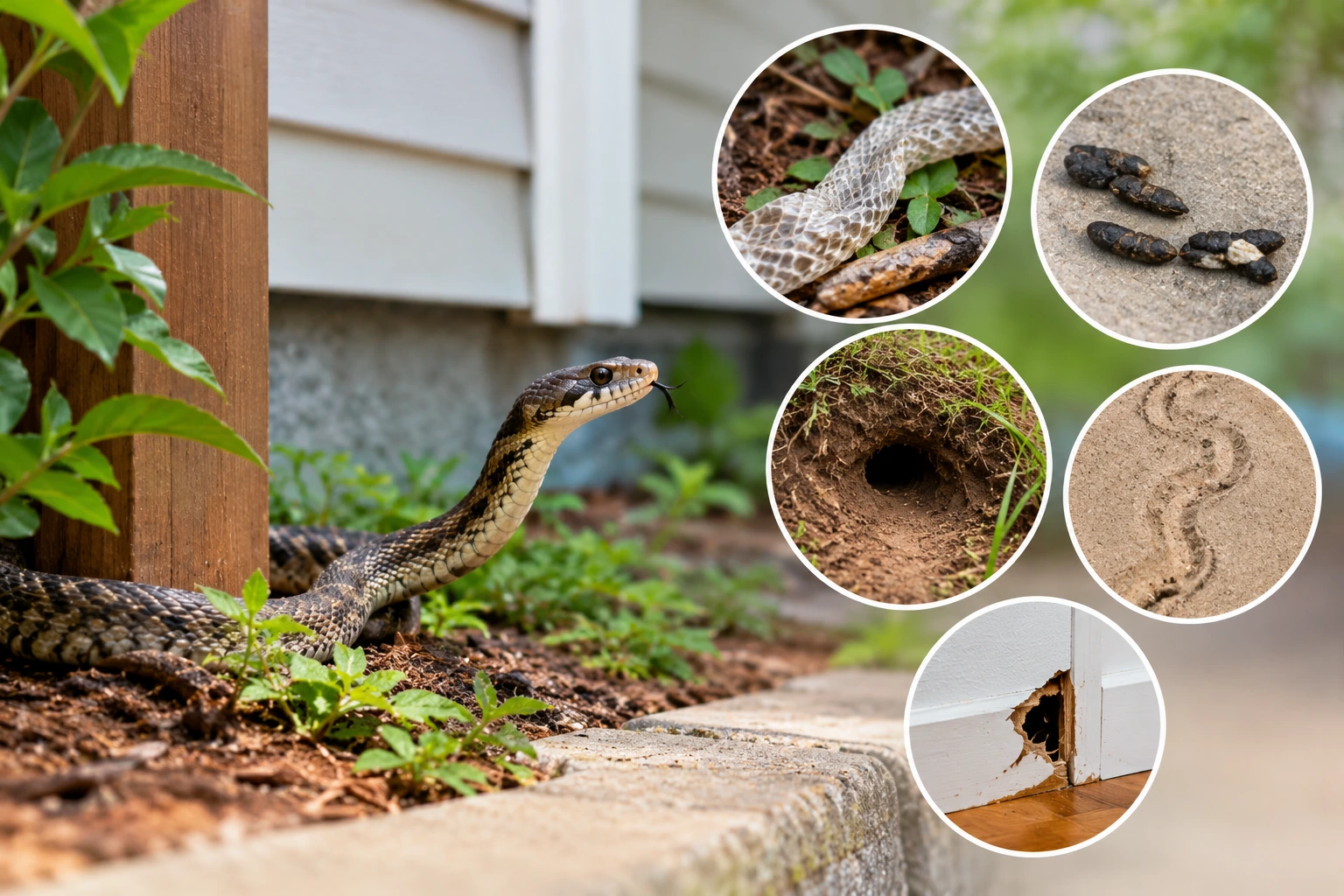
One of the most noticeable signs of a snake’s presence is shed skin. Snakes shed their outer skin as they grow and replace damaged skin.
- If a snake has been using your crawl space as a hiding place, you may discover a thin, dry, translucent layer near insulation, foundation walls, pipes, or stored materials.
- Shed skin may resemble a hollow snake, but it is usually lightweight and delicate. Depending on how much the skin has deteriorated, its scale patterns may still be visible.
- Finding shed skin does not necessarily mean the snake is still inside. However, it suggests that a snake may have used the area recently.
Snake Droppings in Crawl Space
Discovering snake droppings in crawl space areas may indicate snake activity, although identifying the source can be difficult.
- Snake waste varies in appearance depending on the species, diet, and time since it was deposited.
- Droppings may contain dark waste material and a pale, chalky component consisting of urates.
- They can sometimes resemble waste from other animals, so appearance alone is not always enough to confirm that a snake is responsible.
- You should avoid touching or disturbing suspected droppings. Instead, note their location and contact a pest control professional if other signs of snake activity are present.
- Our technician can assess the evidence and determine whether additional inspection is necessary.
Unusual Rustling or Movement Sounds
Unexpected noises coming from beneath the floor may suggest animal activity in the crawl space.
- You might hear faint rustling, scraping, or movement around insulation, plastic sheeting, or accumulated debris.
- However, snakes do not make loud sounds while moving. Similar noises can come from rodents, insects, loose materials, plumbing systems, or other wildlife.
- If the sounds occur repeatedly in the same area, consider having the crawl space inspected rather than assuming a snake is responsible.
- Rodent activity is also worth investigating because mice and rats can attract snakes looking for food.
Snake Tracks and Movement Patterns
Dusty soil, loose sand, and damp surfaces may reveal movement patterns left by snakes.
- Depending on the snake’s size and how it moves, tracks may appear as curved lines, S-shaped marks, or narrow trails across the ground.
- These markings are not always easy to identify, particularly in crawl spaces with uneven surfaces, debris, or existing animal tracks.
- Avoid entering a confined area to follow suspected tracks. Photographing visible evidence from a safe distance, when possible, may help a pest control professional assess the situation.
Unusual Odours or Signs of Animal Activity
A strong or unfamiliar smell beneath the house may indicate animal activity, accumulated waste, moisture problems, or a dead animal.
- Although an odour alone is not a reliable sign of a snake, it can justify a closer professional inspection.
- Snakes do not usually produce a distinctive smell simply by being present.
- Therefore, you should also consider damp insulation, standing water, mould, and other possible causes.
- Pay attention to multiple indicators rather than relying on one unusual smell or isolated mark.
What are the Warning Signs of Venomous Snakes in Crawl Space?
The possibility of venomous snakes in crawl space areas deserves particular attention.
- Venomous species can sometimes enter homes through foundation openings, damaged vent covers, gaps around utility lines, or other accessible entry points.
- However, it is impossible to determine whether a snake is venomous from droppings, shed skin, or movement tracks alone.
- Even photographs may not provide enough information for reliable identification.
How Do Snakes Enter Crawl Spaces?
Understanding common entry points can help prevent future problems.
- Snakes may enter through damaged foundation vents, gaps beneath exterior doors, openings around plumbing pipes, deteriorated crawl space barriers, or holes created by other animals.
- Overgrown vegetation, wood piles, dense ground cover, and accumulated debris near the foundation can also provide shelter close to potential entry points.
- A professional inspection can identify accessible openings and recommend suitable exclusion measures.
How to Prevent Snakes From Returning?
Preventive maintenance can make a property less attractive to snakes and reduce opportunities for entry.
Seal accessible openings: Repair damaged vent screens and close suitable gaps around the foundation and utility penetrations using appropriate materials.
Control rodents: Address rodent infestations and remove food sources that may attract prey animals.
Reduce clutter: Keep the area around the foundation free from unnecessary debris, stacked wood, and dense vegetation.
Manage moisture: Repair plumbing leaks, improve drainage, and address standing water that may attract frogs or other prey.
Schedule inspections: Have a qualified pest control professional inspect inaccessible areas when repeated signs of animal activity are discovered.
Frequently Asked Questions
What is the most common sign of a snake in a crawl space?
Shed skin, unusual animal activity, and sightings near entry points may indicate a snake’s presence. No single sign confirms that a snake is currently inside.
Can snakes live in crawl spaces for long periods?
A crawl space may provide shelter when temperatures, hiding places, and food availability are suitable. If a snake remains there depends on environmental conditions and access to prey.
Are snake droppings enough to identify a snake infestation?
Droppings can be difficult to distinguish from waste left by other animals. Additional evidence or professional inspection may be necessary.
What should I do if I suspect a venomous snake beneath my house?
Avoid entering the crawl space or attempting removal. Keep people and pets away and contact a qualified snake removal or wildlife control professional.
How can I stop snakes from entering my crawl space?
Repair damaged vent screens, seal appropriate foundation gaps, reduce rodent activity, remove nearby hiding places, and maintain the area around your home’s foundation.