Wasps are the most commonly encountered stinging insects around homes, businesses, gardens, and outdoor recreational areas. While they play a role in the ecosystem by helping control certain pest populations, they can quickly become a nuisance when they build nests near people. Many of you frequently ask, What is the meaning of wasp? It is crucial to understand these insects to identify potential infestations and protect your property from unwanted wasp activity.
Table of Contents
ToggleWhat is Wasp?
The question What is the meaning of wasp? can be answered both scientifically and practically.
A wasp is a flying insect that belongs to the order Hymenoptera and includes bees and ants. Wasps typically have slender bodies, narrow waists, smooth skin, and powerful stingers. Unlike bees, most wasps sting multiple times without losing their stinger.
Wasps are found in many environments and often build nests in:
- Roof eaves
- Attics
- Trees
- Shrubs
- Garages
- Wall voids
- Outdoor furniture
- Sheds
Understanding What is the meaning of wasp? Helps you recognize why these insects can become problematic when nesting near homes or businesses.
Types of Wasps Found Around Properties
Several wasp species may be encountered around residential and commercial buildings.
- Paper wasps build umbrella-shaped nests under eaves, porches, and roof overhangs.
- Yellowjackets are highly aggressive wasps that often build nests underground or inside wall cavities.
- Hornets are larger wasps known for constructing large aerial nests in trees and structures.
- Mud daubers create nests using mud and are generally less aggressive than social wasps.
Each species has unique challenges in identification and control.
Why Wasps Become a Problem?
Although wasps can help control certain insects, they become problematic when nesting near human activity.
- Painful stings
- Aggressive behavior
- Multiple stings
- Risk of allergic reactions
- Interference with outdoor activities
- Property damage from nesting
For families with children, pets, or individuals with sting allergies, wasp infestations require prompt attention.
What Is the Sign of a Wasp?
Many of you ask, What is the sign of a wasp? Therefore, if you recognize warning signs can help prevent a small problem from becoming a major infestation.
Increased Wasp Activity
One of the most obvious answers to What is the sign of a wasp? You are noticing frequent wasp sightings around your property.
If wasps repeatedly fly to the same location, they may be building or maintaining a nearby nest.
Visible Nests
Finding a nest is another clear indicator.
- Under the roof eaves
- Attached to fences
- Inside attics
- In trees
- Beneath decks
Buzzing Sounds
Some nests hidden inside walls or attic spaces produce noticeable buzzing noises.
Increased Outdoor Aggression
If wasps become defensive around certain areas of your property, a nearby nest may be present.
Understanding What is the sign of a wasp? allows you to identify infestations before they grow larger.
Where Wasps Build Nests?
Wasps seek protected locations that provide shelter and access to food sources.
Roof Overhangs
Eaves and soffits offer protection from the weather while remaining accessible.
Attics
Attics provide warmth and protection, making them attractive nesting areas.
Trees and Shrubs
Many wasp species prefer natural environments for nest construction.
Garages and Sheds
Structures with limited disturbance are ideal for nesting activities.
Regular property inspections can help identify these nesting locations early.
How Does Pest Control Treat for Wasps?
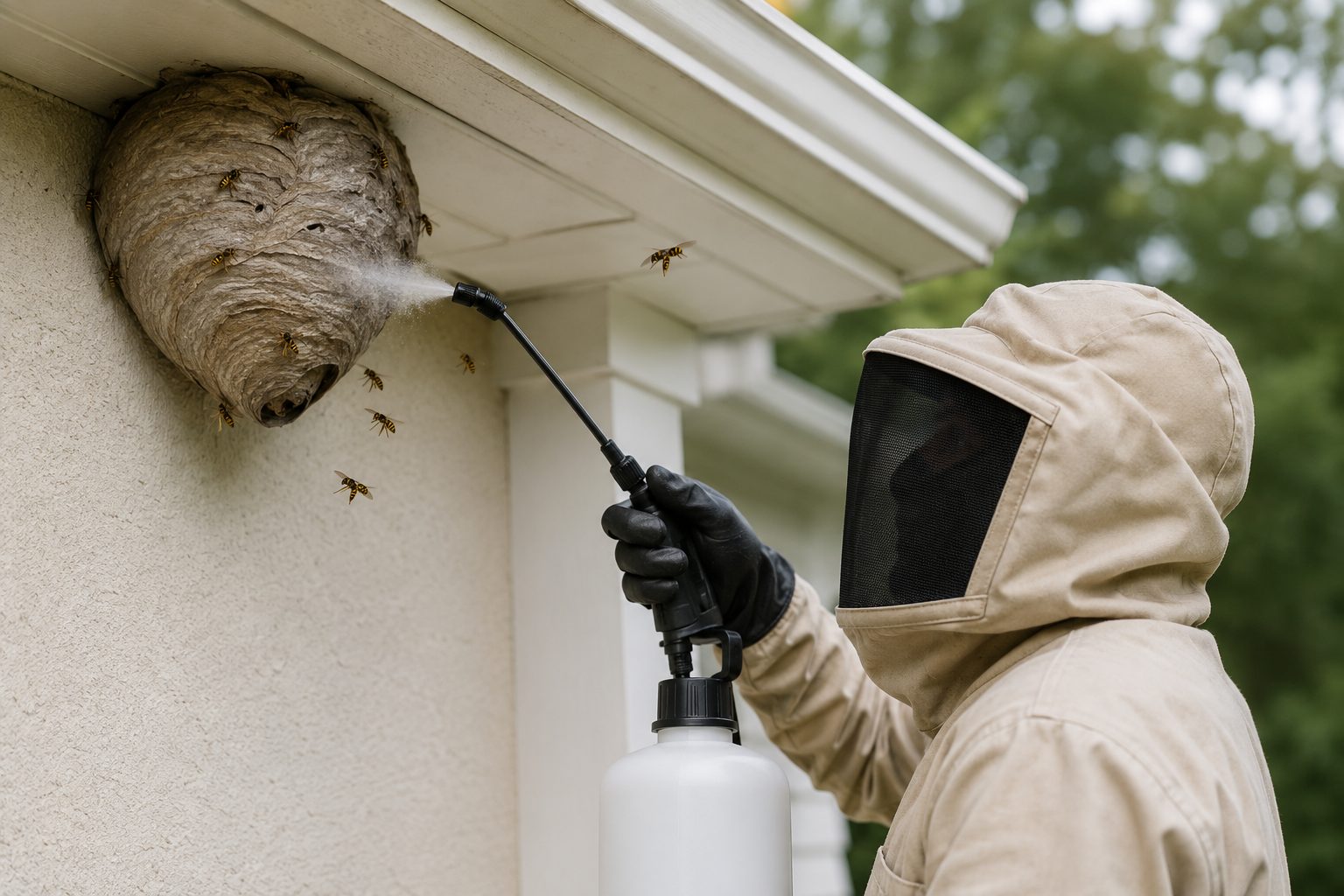
One of the most common questions you ask is, How does pest control treat for wasps? Professional treatment involves several steps designed to eliminate active nests and reduce future activity safely.
Inspection and Identification
The first step is to locate nests and identify the species involved. Different wasp species may require different treatment methods.
Nest Treatment
Professionals apply specialized products directly to active nests. These treatments target adult wasps as well as developing colony members.
Nest Removal
After treatment, many pest control providers remove the nest when it is safe to do so.
Entry Point Assessment
Professionals identify structural openings that may allow future nesting activity.
Preventive Recommendations
Property owners often receive guidance on reducing conditions that attract wasps.
Why Professional Wasp Treatment Is Important?
When you attempt to remove a nest without proper equipment, it can be dangerous. Professional services offer several advantages.
- Safe treatment methods
- Protective equipment
- Accurate species identification
- Reduced sting risk
- Long-term prevention strategies
Large or hidden nests often require specialized expertise for complete removal.
How to Solve a Wasp Problem?
Many of you eventually ask, How to solve a wasp problem? The solution depends on the severity of the infestation and nest location.
Conduct Regular Inspections
Routine inspections help identify early nesting activity before colonies become established.
Remove Food Sources
Reducing these attractants can help discourage activity.
- Sugary drinks
- Outdoor food
- Trash containers
- Pet food
Seal Entry Points
You must repair cracks, gaps, and openings that limit access to nesting areas.
Maintain Landscaping
Trimming trees and shrubs can reduce the number of suitable nesting locations.
Seek Professional Assistance
For active infestations, the safest answer to How to solve a wasp problem? is often professional treatment.
Experts can safely eliminate nests while minimizing risks to occupants.
How to Prevent Future Wasp Infestations?
Prevention is one of the most effective pest management strategies. Moreover, these measures help make properties less attractive to nesting wasps.
You can reduce wasp activity by:
- Keep your garbage containers sealed
- Clean outdoor eating areas
- Inspect rooflines regularly
- Repair damaged siding
- Monitor eaves and attics
- Remove abandoned nests
Which Risks Should Not Be Ignored in Wasp Activity?
Ignoring early signs of wasp activity can lead to larger infestations. Prompt action helps protect both people and property.
- Increased nest size
- Higher wasp populations
- Greater sting risk
- Difficult nest removal
- Increased treatment costs
Frequently Asked Questions
What do you mean by wasp?
A wasp is a flying insect belonging to the Hymenoptera order, and is known for their slender body, narrow waist, and ability to sting multiple times.
What is the sign of a wasp?
If you notice frequent wasp activity around your property, visible nests in trees, buzzing sounds inside walls or attics, and increased wasp presence near outdoor food sources.
How does pest control treat for wasps?
Our pest control professionals inspect the property, identify the wasp species, apply targeted treatments to active nests, remove nests when safe to do so, and recommend preventive measures.
How to solve a wasp problem?
The best solution is to locate nests, remove food attractants, seal potential entry points, maintain landscaping, and seek professional pest control services.
Are wasps dangerous to humans?
Wasps can be dangerous, especially when they feel threatened. Their stings can cause pain, swelling, and allergic reactions if you have sensitive skin.