
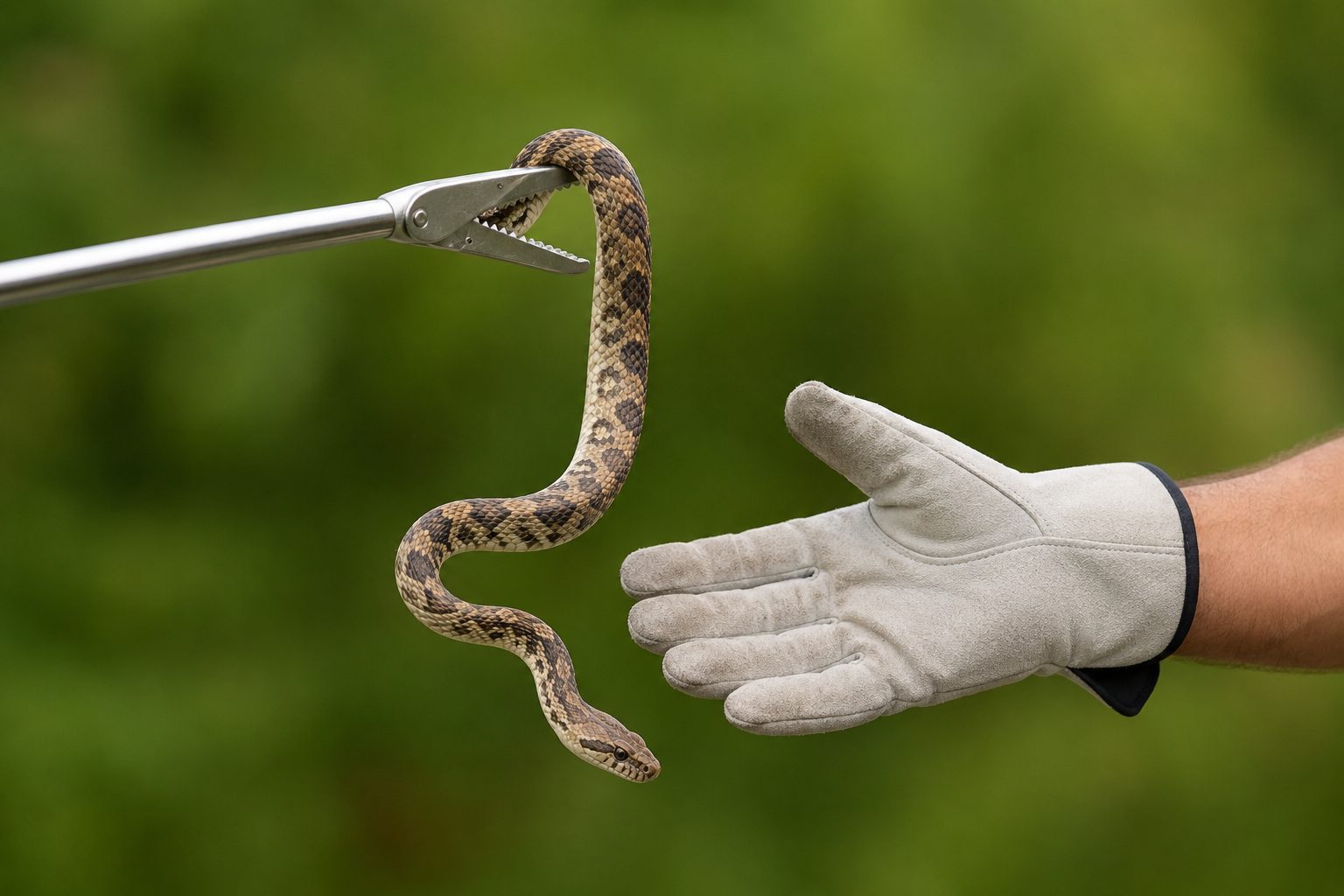
Discovering a snake inside your home can be alarming. If you spot it in the garage, basement, kitchen, bathroom, or living room, your first instinct may be panic. However, staying calm and responding appropriately is essential for your safety and the safe removal of the animal. It is crucial to understand what to do about a Snake in your house, as it can help prevent injuries, reduce property concerns, and ensure the situation is handled effectively. Snakes may enter homes in search of food, water, shelter, or protection from extreme weather conditions. While many species are harmless, it can be difficult for you to identify whether a snake is venomous or non-venomous.
Table of Contents
ToggleWhy Do Snakes Enter Homes?
Understanding why snakes enter residential properties can help you reduce the likelihood of future encounters. Certain things usually attract snakes.
- Availability of prey, such as rodents
- Cool, shaded hiding spots
- Access to water sources
- Shelter from predators
- Protection from extreme temperatures
- Cluttered storage areas
- Overgrown landscaping
A snake inside a home often indicates that conditions nearby are favorable for its survival. It is better to know what to do about a Snake in Your House, starting with understanding what attracted it in the first place.
Stay Calm and Avoid Sudden Movements
The most important first step when you encounter a snake indoors is remaining calm.
Avoid:
- Running toward the snake
- Attempting to grab it
- Cornering it
- Hitting it with objects
- Making sudden movements
Most snakes choose to avoid confrontation and will try to escape if given the opportunity. Thus, panicked reactions can increase the risk of injury and make removal more difficult. When considering what to do about a Snake in Your House, maintaining a safe distance should always be your top priority.
Keep Family Members and Pets Away
Once a snake is spotted, immediately secure the area. Take the following precautions.
- Move the children away from the room
- Remove pets from the vicinity
- Close interior doors if possible
- Restrict access to the affected area
- Warn other occupants of the home
Curious pets and children may unintentionally provoke the snake, which might increase the risk of defensive behavior. You must establish a safe perimeter to help prevent accidents during preparation for removal.
Observe the Snake from a Safe Distance
If possible, carefully observe the snake without approaching it.
- Approximate length
- Color patterns
- Body shape
- Location within the home
- Direction of movement
Do not attempt to get close for a better look. This information may assist wildlife professionals or pest control technicians in identifying the species and selecting the appropriate removal strategy.
How Snakes Commonly Enter Homes?
Snakes can access homes through surprisingly small openings.
Foundation Cracks
Small cracks in foundations may provide access to crawl spaces and interior walls.
Gaps Under Doors
Poorly sealed exterior doors create easy entry opportunities.
Utility Openings
Spaces around plumbing pipes, electrical lines, and HVAC systems often serve as entry routes.
Damaged Screens
Broken window or vent screens can allow snakes to enter structures.
Garage Doors
Improperly sealed garage doors may leave enough space for a snake to slip inside.
Identifying these vulnerabilities helps homeowners prevent future snake problems.
How to Safely Remove a Snake from Your House?
One of the most common questions many of you have is: How to safely remove a snake from your house? The safest approach depends on the snake’s location and species.
Recommended steps include:
- Maintain a safe distance.
- Keep children and pets away.
- Monitor the snake’s location.
- Open an exterior exit if the snake is nearby.
- Allow it an unobstructed escape route.
- Contact professional pest control if necessary.
For many of you, professional assistance is the safest answer to How to safely remove a snake from your house?
Which Mistakes to Avoid During Snake Encounters?
When dealing with a snake indoors, certain actions can make the situation worse.
Attempting DIY Capture
Using household items to capture a snake can result in bites and injuries.
Cornering the Snake
A trapped snake is more likely to behave defensively.
Using Chemicals
Chemical sprays may be ineffective and can create additional hazards.
Trying to Kill the Snake
Besides safety concerns, this may be illegal in some areas depending on local wildlife regulations.
Ignoring the Problem
Assuming the snake will leave on its own may result in further complications.
When you know what not to do, it is just as important as understanding what to do about a Snake in Your House.
How to Remove a Snake from a House Naturally?
You frequently ask, How to remove a snake from a house naturally? Natural methods focus primarily on encouraging snakes to leave and reducing conditions that attract them.
Eliminate Food Sources
Rodents attract snakes.
Reduce rodent populations by:
- Proper food storage
- Trash management
- Sealing entry points
- Maintaining cleanliness
Reduce Shelter Opportunities
Remove clutter such as:
- Wood piles
- Cardboard boxes
- Yard debris
- Dense vegetation
Improve Property Maintenance
However, keep your grass trimmed and landscaping well-maintained.
Seal Entry Points
Close gaps and openings that allow snake access.
While prevention methods can reduce future encounters, professional assistance is often recommended for active snake removal.
Understanding how to remove a snake from a house naturally? It includes making the property less attractive to snakes over the long term.
Which Show Signs That a Snake May Be Living in Your Home?
Sometimes you encounter evidence of snake activity before seeing the animal itself. If multiple signs appear, professional inspection may be warranted.
- Snakes shed their skin as they grow. Thus, finding shed skins may indicate recent activity.
- Some snake infestations produce a distinctive musky smell.
- A sudden reduction in rodent sightings may indicate a predator is present.
- Snake droppings often contain hair, feathers, or bone fragments from prey.
- Movement behind walls, ceilings, or storage areas may occasionally indicate hidden wildlife activity.
Areas Where Snakes Commonly Hide Indoors
Snakes seek dark, quiet locations where they feel protected.
- Basements have cool temperatures and limited human activity, which makes basements attractive.
- Garages have stored items that provide shelter and concealment.
- Crawl Spaces offer protection from predators and the weather.
- Laundry Rooms provide moisture, which may attract snakes seeking water.
- Attics are species that enter attics through roof openings or wall voids.
- Snakes occasionally seek temporary refuge beneath large household items.
Why Professional Snake Removal Is Important?
While some of you consider handling snake encounters yourself. Our professional services offer various advantages.
- Our professionals can distinguish between venomous and non-venomous species.
- Specialized equipment minimizes risks to people and animals.
- Technicians identify entry points and contributing conditions.
- Experts provide guidance for reducing future snake activity.
- Comprehensive inspections address underlying attractants rather than only removing the visible snake.
Our professional services provide peace of mind when deciding what to do about a Snake in Your House.
How to Prevent Future Snake Encounters?
After a snake has been removed, prevention becomes the next priority.
Seal Exterior Openings
Inspect and repair:
- Foundation cracks
- Door gaps
- Vent openings
- Utility penetrations
Control Rodent Populations
Rodents are among the primary food sources attracting snakes.
Maintain Landscaping
- Grass trimmed
- Shrubs pruned
- Debris removed
Store Firewood Properly
Elevate wood piles and position them away from the home.
Reduce Standing Water
Eliminate unnecessary moisture sources around the property.
These preventive measures significantly lower the likelihood of future encounters.
What is the Seasonal Snake Activity?
Snake encounters often increase during certain times of the year. Understanding seasonal behavior helps you remain vigilant.
Spring
Warmer temperatures increase snake movement and activity.
Summer
Snakes may seek cooler indoor environments during extreme heat.
Fall
Some species seek sheltered overwintering sites.
After Heavy Rain
Flooded habitats may force snakes to seek higher ground, including residential structures.
What to Do if a Snake Bites Someone?
Although most household snake encounters do not result in bites, it is important to understand emergency response procedures.
- Move away from the snake.
- Remain as calm as possible
- Seek immediate medical attention
- Remove restrictive jewelry if swelling occurs
- Keep the affected area still
- Avoid attempting home remedies
Prompt medical evaluation is essential because it may be difficult to determine whether the snake is venomous.
Benefits of Our Professional Pest Control for Snake Prevention
Our professional pest control services help to reduce conditions that attract snakes. Integrated pest management strategies address both snakes and the prey species that attract them.
- Property inspections
- Rodent management
- Entry point sealing
- Habitat modification recommendations
- Ongoing monitoring
Moreover, this proactive approach helps protect homes year-round.
Frequently Asked Questions
What should I do immediately after finding a snake in my house?
If you find a snake indoors, stay calm and keep a safe distance. Move children and pets away from the area, avoid trying to handle the snake, and monitor its location from a safe spot. However, it starts with preventing panic and avoiding direct contact with the animal.
How to safely remove a snake from your house?
The safest method is to keep your distance and, if possible, allow the snake a clear path to an exterior exit. Do not attempt to catch or corner it. For unknown or potentially venomous species, contacting a professional pest control or wildlife removal service is the best option.
How to remove a snake from a house naturally?
You must focus on eliminating conditions that attract snakes. Remove rodent food sources, clean cluttered storage areas, trim overgrown vegetation, seal cracks and gaps around the home, and reduce access to water sources.
Why do snakes enter homes in the first place?
Snakes enter homes in search of food, water, shelter, or protection from extreme weather. Meanwhile, rodent infestations, cluttered garages, crawl spaces, wood piles, and gaps around doors or foundations can make a property more attractive to snakes.
Can pest control services help prevent snakes from returning?
Our professional pest control services can identify snake entry points, recommend exclusion measures, manage rodent populations, and reduce conditions that attract snakes. We have effective ways to minimize the future snake activity around your home.