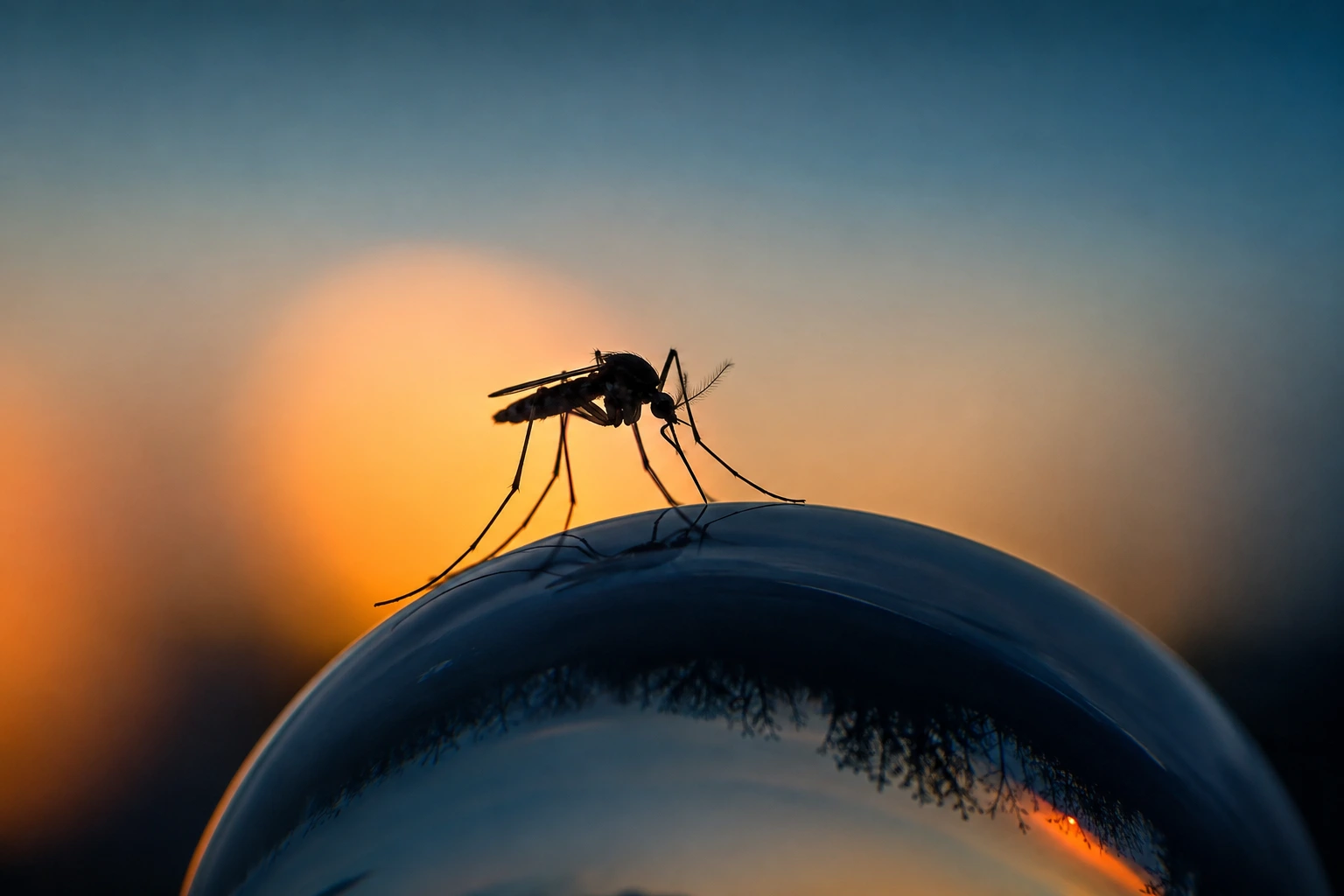
Mosquitoes are a common seasonal pest in Delaware, particularly during the warmer and more humid months. If you are wondering, How bad are mosquitoes in Delaware? It depends on the season, weather conditions, and location. Mosquito activity increases after periods of rain because mosquitoes need standing water to reproduce. Warm temperatures can also accelerate their life cycle, which allows populations to grow quickly when conditions are favorable.
Table of Contents
ToggleWhy Are Mosquitoes Common in Delaware?
Delaware provides several conditions that can support mosquito activity. Warm weather, humidity, rainfall, vegetation, and standing water can all contribute to mosquito breeding.
Even a small amount of stagnant water can provide a breeding location.
- Buckets and containers
- Birdbaths
- Clogged gutters
- Plant saucers
- Children’s toys left outdoors
- Uncovered trash containers
- Poorly draining areas
- Ponds and decorative water features
- Pool covers
- Low areas that collect rainwater
Eliminating standing water on your own property is therefore important, but it may not eliminate mosquitoes if nearby sources remain.
When Are Mosquitoes Worst in Delaware?
Mosquito activity increases during the warmer months. Spring can bring the beginning of seasonal activity, while summer provides conditions that allow mosquito populations to become more noticeable.
- Warm temperatures combined with rainfall can create ideal breeding conditions. Activity can vary from year to year because weather patterns are different every season.
- Mosquitoes are often more active during dawn and dusk, although some species can bite during the daytime as well.
- You may notice increased activity after periods of rain, especially when water remains stagnant for several days.
Why Mosquitoes Are More Than a Nuisance?
Mosquito bites can cause itchy, irritated skin, but mosquitoes can also be vectors for diseases. The Centers for Disease Control and Prevention explains that mosquitoes can spread viruses and parasites to people through bites.
The actual risk depends on mosquito species, local disease activity, environmental conditions, and other factors.
Therefore, mosquito control is not simply about making outdoor spaces more comfortable. Reducing mosquito breeding and limiting exposure can be an important part of protecting your household.
Which Signs Show You May Have a Mosquito Problem?
A few mosquitoes around your property do not necessarily indicate a severe infestation. However, several signs can indicate that mosquito activity is becoming excessive.
- Numerous mosquitoes around your yard
- Frequent bites after spending time outdoors
- Mosquitoes resting in shaded vegetation
- Standing water around the property
- Increased activity after rainfall
- Mosquitoes around patios and outdoor seating
- Children or pets frequently being bothered outdoors
What’s the Cheapest Way to Get Rid of Mosquitoes?
If you are asking, What’s the cheapest way to get rid of mosquitoes?, prevention is often the most affordable place to start.
The first step is to eliminate standing water. Walk around your property after rainfall and look for containers, clogged gutters, toys, buckets, and other objects capable of holding water.
- Empty water from outdoor containers regularly. Turn containers upside down when they are not being used.
- Keep gutters and downspouts clear so rainwater does not accumulate.
- Trim excessive vegetation and remove areas where mosquitoes can rest during the day.
- Repair damaged window and door screens to reduce mosquitoes entering your home.
- Long sleeves, long pants, and appropriate insect repellent can reduce exposure when spending time outside.
- Keep swimming pools properly maintained and prevent water from accumulating on pool covers.
When DIY Mosquito Control May Not Be Enough?
Home prevention is useful, but it may not solve a persistent mosquito problem.
Our professional treatment may be worth considering when mosquitoes remain abundant despite removing standing water. Our pest control professional inspects the property, identifies potential breeding and resting areas, and recommends a treatment approach based on the conditions present.
Treatment should be performed according to product instructions and applicable safety requirements, particularly around children, pets, gardens, ponds, and other sensitive areas.
How Much Does It Cost for Pest Control Treatment?
One of the most common questions you ask is, How much does it cost for pest control treatment? There is no universal price because mosquito treatment costs depend on several factors.
- Property size
- Severity of mosquito activity
- Number of treatment areas
- Frequency of service
- Type of treatment
- Landscaping
- Accessibility
- Local labor rates
- Whether one-time or recurring treatment is needed
A small residential property with limited mosquito activity may require less work than a large property with extensive landscaping and multiple potential breeding areas.
How Professional Mosquito Treatment Works?
Professional mosquito control starts with an inspection. The treatment plan can then be tailored to the property’s conditions.
- Standing water
- Dense vegetation
- Shaded resting areas
- Drainage problems
- Gutters and containers
- Areas around patios and decks
- Other locations where mosquitoes may breed or rest
Depending on the service, mosquito control may be performed as a one-time treatment or through recurring applications during mosquito season.
How to Prevent Mosquitoes Around Your Home?
Long-term mosquito management works best when professional treatment is combined with property maintenance.
- You should regularly inspect your yard for standing water, especially after storms.
- Gutters should remain clear, outdoor containers should not collect rainwater, and landscaping should be maintained.
- If you have birdbaths or decorative water features, follow appropriate maintenance practices to prevent them from becoming mosquito breeding sites.
- It is also helpful to inspect areas that are easy to overlook, such as behind outdoor furniture, under tarps, around drains, and beneath children’s toys.
Frequently Asked Questions
Are mosquitoes bad in Delaware?
Mosquitoes can be a seasonal nuisance in Delaware during warm and humid periods. Their numbers can increase after rainfall when standing water creates breeding sites.
What is the cheapest way to get rid of mosquitoes?
You can prevent them by removing standing water, cleaning gutters, maintaining landscaping, emptying outdoor containers, keeping pools properly maintained, and using window and door screens.
How much does it cost for pest control treatment?
The cost of pest control treatment varies depending on property size, mosquito population, treatment type, landscaping, and whether you need a one-time or recurring service.
How can I prevent mosquitoes from breeding around my home?
Regularly remove standing water from buckets, toys, plant saucers, birdbaths, gutters, pool covers, and other containers.
When should I consider professional mosquito control?
Frequent bites, large numbers of mosquitoes, and an inability to comfortably use your yard are signs that professional treatment may be beneficial.